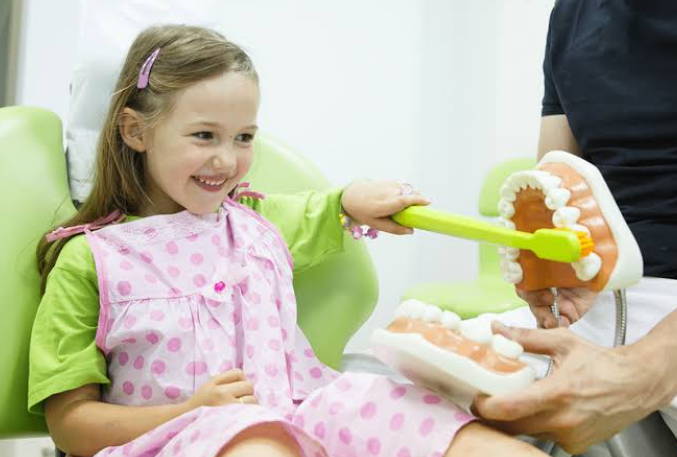
You brush their teeth, remind them to spit, and try to keep sticky snacks from turning into an all day habit. Even with all that effort, it is easy to wonder if you are missing something, which is why South Reno family dentistry can be an important part of keeping their smiles healthy. A small white spot on a tooth, a complaint about cold juice hurting, a skipped cleaning because life got busy. That is how a lot of childhood dental problems begin, quietly and without much warning.
How consistent checkups help prevent childhood oral health issues comes down to one simple truth. Problems are easier, cheaper, and less stressful to handle when they are found early. Regular visits give your child’s dentist a chance to spot decay before it turns painful, track how teeth and jaws are developing, and help your family build habits that actually work at home. For many parents, that steady routine matters more than any single visit.
Regular dental visits catch small problems before they grow
Tooth decay in children does not always start with pain. Cavities often begin in places you cannot see well, especially between teeth or along the gumline. A child may keep eating, playing, and sleeping normally while a weak spot in the enamel gets worse. By the time they say their tooth hurts, the problem may already need more than a simple treatment.
That is where preventive dental care for children changes the picture. During a checkup, a family dentist looks for early signs of decay, gum irritation, bite issues, and wear from habits like grinding or thumb sucking. Cleanings remove buildup that brushing misses, and fluoride treatments can help strengthen enamel. According to the CDC’s oral health tips for children, regular brushing, healthy eating, fluoride, and dental visits work together to lower the risk of cavities.
Missed visits often create a domino effect. A small cavity becomes a deeper one. Tender gums make brushing harder, which leads to more plaque. A child who has one painful experience may start fearing the dentist, and then every future visit feels harder to schedule and harder to get through. The issue is not only the tooth. It is the stress that builds around it.
Consistent checkups support healthy growth, speech, and daily comfort
Children’s mouths change fast. Baby teeth hold space for adult teeth, and when one is lost too early from decay or injury, crowding can follow. Bite problems can also affect chewing and speech. You may notice your child avoiding one side of the mouth, taking forever to finish meals, or waking up cranky after a poor night of sleep. Those signs do not always point straight to dental trouble, but they should not be brushed off.
Routine visits help track growth over time, which is something one emergency appointment cannot do. A dentist can compare what changed since the last visit and decide whether a concern needs treatment or just monitoring. That kind of continuity is one reason childhood oral health prevention works better than waiting for symptoms.
Access to dental care also matters at a wider level. The National Institute of Dental and Craniofacial Research has reported increased dental visits among children, along with support for pediatric providers. That trend matters because regular care gives families more chances to prevent disease instead of reacting to it after damage is done.
Consistent checkups lower the odds of painful and costly treatment
Parents usually feel the cost issue before anything else. A checkup can seem easy to postpone when there are school expenses, groceries, and everything else competing for the budget. The hard part is that delayed care often costs more. A cleaning and exam are one thing. Fillings, crowns, extractions, or treatment for infection are another.
A child with untreated dental pain may miss school, avoid certain foods, or struggle to focus. You may miss work for urgent appointments. Sleep gets disrupted. Mealtimes turn into arguments. The financial cost is real, but so is the emotional load.
| Approach | What it often includes | Likely outcome |
|---|---|---|
| Consistent checkups | Exams, cleanings, fluoride, monitoring growth, early cavity detection | Smaller issues treated early, fewer urgent visits, lower stress |
| Wait until there is pain | Emergency exam, larger fillings, possible infection care, missed school or work | More discomfort, more treatment, higher costs, more dental fear |
The basic home routine still matters every day. MedlinePlus guidance on caring for your child’s teeth reinforces the same pattern families hear in the dental office. Brush with fluoride toothpaste, floss when teeth touch, watch sugary drinks and snacks, and keep regular appointments. Home care and professional care are not competing options. They support each other.
Simple steps help you stay ahead of oral health issues in children
Book the next visit before you leave. The easiest appointment to keep is the one already on the calendar. If your schedule is packed, ask for the first available slot that fits school and work routines, then set reminders in your phone right away.
Watch for small changes at home. Look for white or brown spots on teeth, bad breath that does not fade, bleeding gums, chewing on one side, or complaints about hot or cold foods. Those details help a family dentist decide whether something is new, stable, or getting worse.
Make daily care simple enough to repeat. Use a pea sized amount of fluoride toothpaste for kids old enough to spit, help with brushing longer than you think you need to, and keep sugary snacks from becoming constant grazing. A good routine does not need to be perfect. It needs to happen most days without a fight.
Steady dental care gives children a stronger start
Most parents are not looking for perfect teeth. You want your child to eat without pain, sleep well, smile without worry, and avoid problems that could have been caught early. That is exactly why regular dental checkups for kids matter. They protect more than teeth. They protect comfort, confidence, and your peace of mind.
If your child is due for a visit, schedule an appointment with a family dentist and get that routine back in place. Small steps now can prevent bigger problems later.


 By