Why Basement Air Quality Gets Ignored Until It’s a Problem
A basement left to its own devices rarely stays in a comfortable middle ground. It either dries out from forced-air heating systems and concrete that pulls moisture from everything nearby, or it turns into a breeding ground for mildew, warped wood, and musty odors that creep upstairs. Left unaddressed, dry basement air cracks drywall seams, damages stored furniture, and aggravates respiratory issues for anyone who spends time down there. The stakes rise further if the space doubles as a home office, gym, or guest room, where people actually breathe that air for hours at a stretch.
Many homeowners treat basement humidity as an afterthought, something to deal with only after they notice a stale smell or static shocks on the stairs. By then, wood flooring may have already started cupping, or mold spores may have taken hold in corners that rarely see sunlight. Getting ahead of the problem means understanding which type of humidifier actually fits the way a basement behaves, rather than grabbing whatever unit is on sale at the hardware store.
Matching Humidifier Types to Basement Conditions
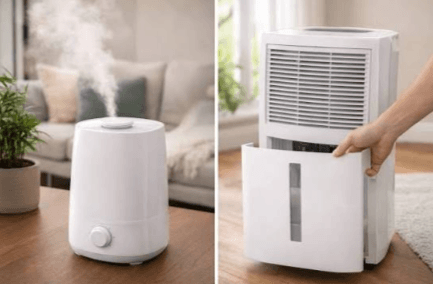
Basements vary enormously in size, insulation, and airflow, so the humidifier that works in one home might underperform in another. Small, finished basements with good insulation often do fine with a tabletop ultrasonic unit, which runs quietly and needs little upkeep beyond regular water changes. Larger or partially finished basements, especially those with exposed concrete and limited ventilation, usually need something with more output, like a console-style evaporative humidifier that can cover a few thousand square feet without constant refilling.
Homeowners dealing with persistently dry basement air, particularly in winter when forced-air heat strips moisture from every room, often look for something designed specifically for below-grade spaces. This is where a dedicated basement humidifier line, such as the options sold through basement humidifier, becomes worth comparing against generic models, since basement-specific units tend to account for lower ambient temperatures and reduced air circulation that standard humidifiers aren’t built to handle. Warm mist models add a touch of heat to the water before releasing it as vapor, which can feel more noticeable in a cooler basement, while cool mist units are generally safer around kids or pets and tend to use less energy over time.
Capacity matters more in a basement than almost anywhere else in the house. A unit rated for a bedroom will struggle in a thousand-square-foot rec room, running constantly and still falling short of target humidity. Checking the square footage rating against the actual basement layout, including any open stairwells that bleed humidity upward, prevents the frustration of buying a unit that never quite gets the job done.
See also: Business Dissolution Lawyer: Understanding the Process of Closing Your Business Properly
Weighing Maintenance, Noise, and Long-Term Cost Before Buying
Specs on a box only tell part of the story. A humidifier that requires constant tank refilling in a basement nobody visits daily will end up running dry and useless half the time, defeating the purpose entirely. Models with larger tanks or auto shut-off features tend to perform better in spaces people check less frequently, since they can run for days without attention and won’t overheat or empty out unnoticed.
Noise is another factor people underestimate until the unit is already running. Basements used as home offices or bedrooms need something quiet enough to fade into the background, while a storage basement can tolerate a louder evaporative fan without issue. Filter-based models demand more regular cleaning to prevent mineral buildup and bacterial growth, which adds a recurring cost and a bit of routine maintenance that some buyers prefer to avoid entirely.
Budget should account for more than the sticker price. Replacement filters, wicks, or demineralization cartridges add up over a year of near-constant use, especially in basements that need humidification most months of the year. Weighing that ongoing cost against a slightly pricier unit with lower maintenance needs often makes more financial sense over a two or three year span. A little research into replacement part availability before buying can save a surprising amount of hassle down the road, particularly for models that get discontinued or redesigned frequently.


 By