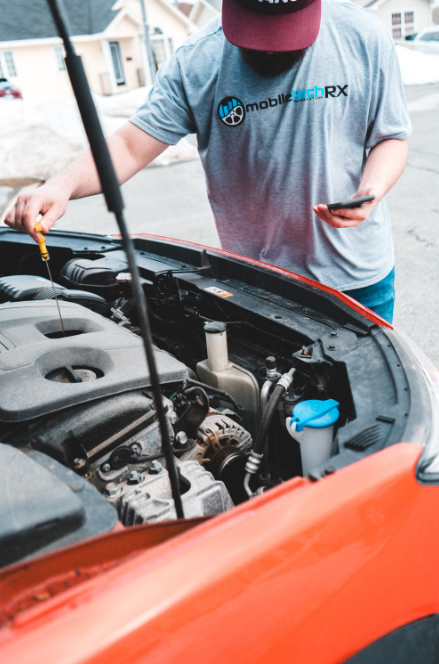
The maintenance of a car ensures its reliability, effectiveness, and safety. Though unforeseen damage occurs at times, regular maintenance will prevent unforeseen damage. However, there are certain maintenance practices that ensure that a car is more efficient than it was before, like oil changes, checking the tire air pressure and tread depth. Younger and older cars both can adopt a certain maintenance regime so as to avoid visiting the repair shops and to make their drives comfortable.
Follow a Consistent Oil Change Schedule
Engine oil acts as a lubricant for the engine and reduces friction and heat once the engine is operational. However, as the engine oil collects dirt and metallic particles, it becomes useless. Failure to change engine oil results in overworking and wear of the engine of the car and may result in serious damage to the engine. One should not always follow what other mechanics recommend but go to the manual. There are several issues to consider when changing engine oil, among others, the condition of driving and the temperature at which the car is operated, and the mileage of the car.
Choose the Right Lubricant for Your Engine
Product selection is an important part of routine maintenance because motor oils have different properties. Lubricant performance is largely dependent on the viscosity, additives, and the specific motor oil formula used. While conventional oils work for many applications, others perform best with a synthetic or semi-synthetic formulation. It is very important to consult the manufacturer’s specifications, as an unsuitable formulation may result in reduced engine protection. If your vehicle requires a particular viscosity grade, invest in a high-quality 5W30 oil to ensure reliable lubrication, efficient engine operation, and adequate protection during cold starts and warmer conditions. Selecting an appropriate product can also support fuel efficiency and reduce the likelihood of premature mechanical wear.
Inspect Oil Levels Between Services
Checking oil during maintenance sessions helps prevent problems that might go unnoticed. Just by using the dipstick, one gets information on the amount of oil and the condition of the oil. Before taking any dipstick measurement, one must ensure that the car is on flat ground and the engine is turned off so that the oil drains into the sump. One should add oil when necessary but avoid over-filling the engine with oil. Dark oil can last in the engine for a while, but anything that smells strange, metal pieces in the oil, and a low level of oil should be checked immediately.
Replace the Oil Filter Regularly
Changing oil involves paying attention to the condition of the oil filter. It collects the impurities and other elements from the circulating oil and negatively affects the operation of the engine. The more aged the filter becomes, the lower its ability to filter the oil becomes. If the oil filter is not replaced while changing the oil, the contamination can affect the lubrication. Some people may be inclined to cut costs on replacing the filter and use the previous one, but such a choice may destroy all the positive effects of changing the oil. It is advisable to buy a good oil filter, especially following the schedule of maintenance. A good oil filter will ensure a constant flow of oil.
Maintain Your Vehicle After Purchasing a New Car
Buying a new vehicle will not reduce the necessity for regular maintenance. Despite the fact that today’s cars have advanced technology, efficient fuel consumption, and sophisticated engine systems, they require proper lubrication and timely inspection anyway. The observance of recommendations concerning the break-in period from the manufacturers will help protect the newly installed parts in the course of their first functioning period. In addition to that, it is important to learn about the warranty terms and service conditions recommended, along with the kind of oil used. The implementation of appropriate maintenance from the very start will contribute to the preservation of the condition of the car.
See also: The Essential Apps for a December Umrah, a Tech Guide for UK Pilgrims
Pay Attention to Warning Signs and Professional Inspections
An oil change is just one type of routine maintenance work done at specific intervals. There are other warning signs that need to be taken into account, like the warning light on the dashboard, unusual sounds coming from the engine, presence of leakage of fluids and even exhaust smoke. This may require a more detailed examination beyond an oil change. When these warning signs are neglected, chances are some minor issues can turn into major costs like repairing the engine, transmission, or even the cooling system of the car. It is essential that cars be taken to a competent mechanic from time to time to examine minor issues.
In summary, car maintenance can be a simple process that will not cost a fortune. Following a regular oil change schedule, using appropriate lubricants, checking fluid levels, and getting issues resolved in a timely manner will protect your car and give you reliable transportation. By consistently following these six tips, you can keep your car in great shape for many years.


 By