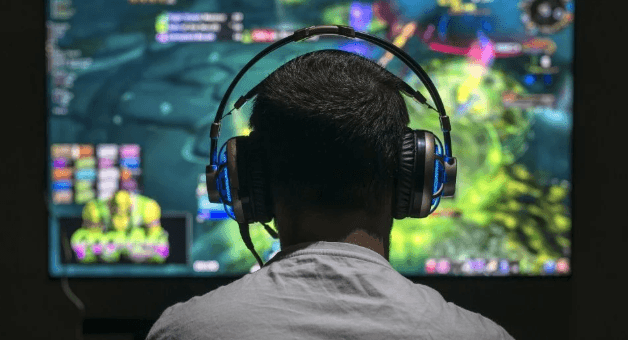
Streaming technology in gaming shifts heavy computation to cloud servers, enabling high-fidelity titles on modest devices. Core tech includes edge computing, adaptive encoding, and low-latency transport, which together mitigate lag while expanding device reach. Trade-offs surface as input latency and quality variability track network conditions. As architectures scale, service tiers, AI-driven optimizations, and monetization models will reshape ownership and access, inviting scrutiny on performance guarantees and resilience under real-world constraints.
What Streaming Means for Gaming Today
Streaming is redefining gaming by shifting execution from local hardware to cloud-based infrastructure, enabling low-end devices to access high-fidelity experiences and enabling instant access to vast libraries without large downloads.
This transition entails latency tradeoffs and requires bandwidth optimization, shaping architectural choices, service tiers, and client optimization. The result is broader access, but network reliability and control over latency remain critical considerations for enduring performance.
Core Technologies Powering Game Streaming
The core technologies enabling game streaming hinge on synchronizing compute offload, high-fidelity video delivery, and responsive input handling. Latency mitigation relies on edge compute, adaptive encoding, and fast transport protocols, while server hardware optimization focuses on GPU density, memory bandwidth, and low-latency interconnects. Together, these elements drive stability, scalability, and predictable performance in real-time interactive sessions.
Benefits and Trade-offs for Players and Studios
For players, streaming offers access to high-fidelity titles without premium hardware, delivering broad device compatibility and instant library availability, but can introduce input latency, compression artifacts, and variability in quality due to network conditions.
Latency challenges shape competitive balance and user trust, while ownership models redefine asset control, monetization clarity, and long-term value, balancing developer incentives with consumer flexibility and platform interoperability.
Future Trends: Edge, AI, and Global Accessibility
Edge computing and AI-driven optimization are set to redefine streaming performance, lowering latency, enhancing adaptive bitrate, and enabling real-time transcoding at the network edge to reduce round-trip times and jitter.
The trend foregrounds edge computing and latency optimization, shaping global accessibility where provider deployments prioritize fault tolerance, standardization, and scalable infrastructure to support diverse networks and devices without compromising user freedom or experience.
See also: Sustainable Data Infrastructure
Frequently Asked Questions
What Are the Best Affordable Streaming Devices for Gaming?
Best budget devices include compact streaming boxes and mid-range Roku/Android TV devices with H.265 support and solid game streaming apps. Affordable streaming gear prioritizes latency, controller compatibility, and app breadth, delivering freedom without sacrificing performance or reliability.
How Does Streaming Handle Non-Gaming Apps and Multitasking?
How streaming handles non gaming apps and multitasking reveals limited multitasking limits, as platforms prioritize gaming streams, allocate resources to latency; non-game apps experience reduced fidelity, occasional buffering, and slower task-switching, reflecting infrastructure constraints and service-level prioritization.
Can Streaming Reduce Latency on Mobile Networks Reliably?
A 30% reduction in perceived latency is achievable, but streaming cannot reliably reduce latency on mobile networks. Latency challenges persist; mobile network reliability remains inconsistent, hindering consistent gameplay performance for on-the-go users.
What Are the Privacy and Data Usage Implications?
Privacy implications and data usage are central concerns; streaming incurs continuous transmittal of gameplay, device identifiers, and performance metrics, potentially exposing sensitive content, location, and behavior patterns, while data trust, encryption, and governance shapes user autonomy and risk.
How Do Subscription Models Affect Game Ownership?
Subscription models affect game ownership by tying access to libraries rather than permanent rights; users gain subscription ownership for duration of membership, while subscription libraries grant temporary availability, risking catalog changes and potential loss upon plan changes or terminations.
Conclusion
Streaming technology in gaming reshapes how titles are authored, delivered, and experienced, shifting compute to the network edge and enabling broader device support. Anecdotally, a player on a low-end tablet logs into a cinematic open-world title and notes “the world runs like clockwork”—a metaphor for edge computing delivering seamless immersion. Data shows latency reductions via optimized codecs and transport protocols, while AI-driven encodings tailor quality to bandwidth. The trajectory points to scalable, globally accessible libraries and flexible ownership models.


 By
By
 By
By