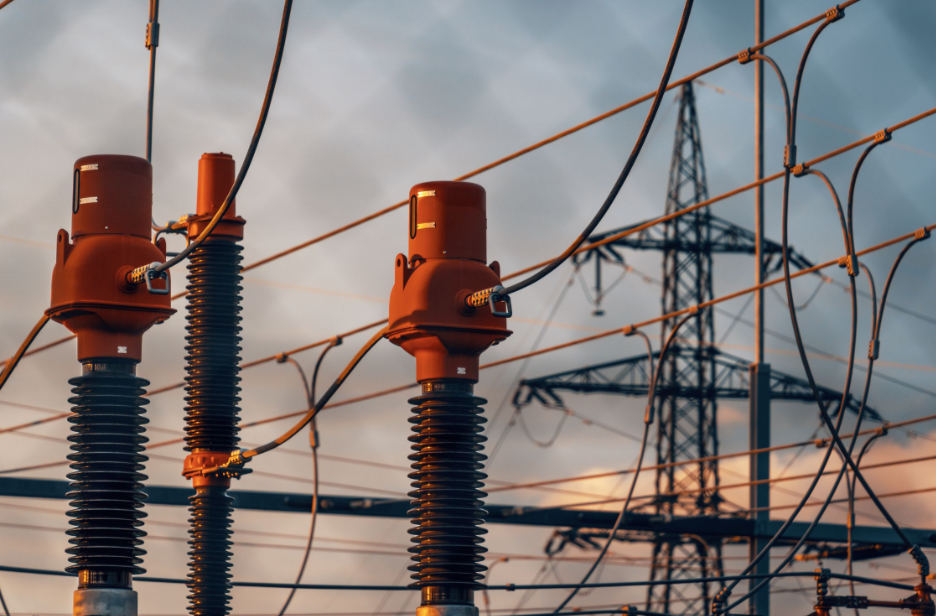
A 25 kVA single phase transformer is a compact and reliable electrical transformer designed to convert voltage levels in single-phase power distribution systems. It is widely used in residential neighborhoods, small commercial buildings, agricultural operations, construction sites, and light industrial facilities where dependable electrical power is required. With its efficient performance, durable construction, and low maintenance requirements, a 25 kVA transformer plays an important role in ensuring safe and stable electricity distribution.
Choosing the right transformer involves more than selecting its power rating. Voltage configuration, insulation quality, cooling method, efficiency, installation environment, and compliance with industry standards all contribute to the transformer’s long-term performance. This comprehensive guide explains everything you need to know about a 25 kVA single phase transformer, including its specifications, construction, working principle, applications, installation requirements, maintenance practices, and advantages.
What Is a 25 kVA Single Phase Transformer?
Before exploring its specifications, it is important to understand the purpose of a single-phase transformer in an electrical distribution system. These transformers are designed to transfer electrical energy between circuits while stepping voltage up or down to meet application requirements.
A 25 kVA single phase transformer has an apparent power rating of 25 kilovolt-amperes (kVA) and operates on a single-phase electrical supply. It is commonly used to reduce medium-voltage electricity from utility distribution lines to low-voltage power suitable for homes, offices, farms, and small businesses.
Depending on the installation environment, these transformers are available in oil-immersed and dry-type designs, allowing them to be installed both outdoors and indoors.
How Does a 25 kVA Single Phase Transformer Work?
Understanding the working principle of a transformer helps explain how it safely transfers electrical energy between different voltage levels. The operation is based on the principle of electromagnetic induction.
Electromagnetic Induction
When alternating current flows through the primary winding, it creates a changing magnetic field within the transformer core. This magnetic field induces voltage in the secondary winding, allowing electrical energy to be transferred without direct electrical contact.
Voltage Conversion
The ratio between the primary and secondary windings determines whether the transformer increases or decreases the voltage. Most distribution transformers step down medium-voltage electricity to usable low-voltage power.
Continuous Power Transfer
During normal operation, the transformer continuously supplies electrical energy while maintaining stable output voltage and high operating efficiency.
Electrical Isolation
The primary and secondary windings remain electrically isolated, improving safety and protecting connected equipment from electrical disturbances.
Typical 25 kVA Single Phase Transformer Specifications
Although exact specifications vary by manufacturer and application, most 25 kVA single phase transformers include several standard technical characteristics.
Power Rating
The transformer has a rated capacity of 25 kVA, making it suitable for supplying moderate electrical loads in residential, commercial, and agricultural environments.
Primary Voltage
Common primary voltage ratings include 7.2 kV, 11 kV, 13.2 kV, 22 kV, and 33 kV, depending on the local utility distribution network.
Secondary Voltage
Typical secondary voltage options include 240 V, 230 V, 120/240 V, or other standard low-voltage configurations used in different regions.
Frequency
Most transformers are designed for operation at 50 Hz or 60 Hz, depending on regional electrical standards.
Cooling Method
The majority of 25 kVA outdoor transformers use the Oil Natural Air Natural (ONAN) cooling system, while indoor installations may utilize dry-type air-cooled designs.
Construction Features
The quality of transformer construction has a direct impact on efficiency, durability, and long-term reliability. Modern transformers are built using high-quality materials that support dependable operation.
High-Quality Magnetic Core
The transformer core is manufactured from cold-rolled grain-oriented (CRGO) silicon steel laminations. This material minimizes core losses, improves efficiency, and reduces operating noise.
Copper or Aluminum Windings
The windings are constructed using either copper or aluminum conductors. Copper windings are often selected because they offer better conductivity, greater mechanical strength, and improved resistance to overload conditions.
Durable Transformer Tank
Oil-filled transformers are enclosed in heavy-duty steel tanks that protect internal components from weather, corrosion, and physical damage. Protective coatings further enhance durability in outdoor environments.
Advanced Insulation System
High-quality insulation separates the windings and prevents electrical breakdown. A reliable insulation system contributes significantly to transformer safety and service life.
Performance Characteristics
A well-designed transformer delivers reliable performance under a variety of operating conditions. Several key characteristics influence its efficiency and suitability for different applications.
High Energy Efficiency
Modern 25 kVA transformers are designed to minimize no-load and load losses, improving overall energy efficiency while reducing electricity costs over time.
Stable Voltage Regulation
The transformer maintains consistent output voltage even when electrical demand changes, ensuring reliable performance for connected equipment.
Reliable Thermal Performance
Effective cooling systems help control operating temperature, preventing overheating and extending transformer lifespan.
Low Operating Noise
Precision core manufacturing reduces vibration and magnetic noise, making the transformer suitable for residential and commercial installations.
Applications of a 25 kVA Single Phase Transformer
The versatility of a 25 kVA transformer makes it suitable for numerous electrical distribution applications. It provides dependable power wherever moderate electrical capacity is required.
Residential Power Distribution
Utility companies commonly use 25 kVA transformers to supply electricity to individual homes or small groups of residences. These transformers provide reliable voltage for everyday household electrical systems.
Small Commercial Buildings
Retail stores, offices, restaurants, and small commercial facilities rely on 25 kVA transformers to support lighting, air conditioning, computers, and general electrical equipment.
Agricultural Facilities
Farms use single-phase transformers to power irrigation pumps, water systems, storage buildings, livestock equipment, and other agricultural operations requiring dependable electricity.
Construction Sites
Temporary electrical installations at construction projects often utilize 25 kVA transformers to supply power for tools, lighting, portable equipment, and site offices.
Rural Electrification
In rural communities, these transformers help extend reliable electrical service to homes, farms, and remote facilities through overhead or pole-mounted distribution systems.
Benefits of Using a 25 kVA Single Phase Transformer
Installing the correct transformer provides several operational and economic advantages. These benefits improve both electrical system performance and long-term reliability.
Provides Reliable Power Distribution
Stable voltage output helps protect connected equipment from damaging voltage fluctuations while ensuring uninterrupted electrical service.
Offers High Operating Efficiency
Low-loss core materials and efficient winding designs reduce energy consumption, lowering long-term operating costs.
Requires Minimal Maintenance
Quality transformers are designed for dependable operation with relatively simple routine maintenance, reducing downtime and maintenance expenses.
Delivers Long Service Life
With proper installation and regular inspections, a well-manufactured 25 kVA transformer can operate reliably for many years while maintaining consistent performance.
Installation Requirements
Correct installation is essential for ensuring transformer safety, efficiency, and long-term reliability. Every installation should follow manufacturer recommendations and local electrical regulations.
Prepare a Stable Mounting Location
The transformer should be installed on a secure pole, concrete pad, or structural foundation capable of supporting its weight while minimizing vibration.
Ensure Adequate Ventilation
Proper airflow around the transformer allows heat to dissipate efficiently, helping maintain safe operating temperatures during continuous operation.
Install Proper Grounding
An effective grounding system protects equipment and personnel by safely directing fault currents into the earth during abnormal operating conditions.
Complete Safe Electrical Connections
Incoming and outgoing conductors should be installed using approved cable sizes and secure termination methods. Correct electrical connections improve reliability while minimizing power losses.
Maintenance Practices
Routine maintenance helps maximize transformer lifespan and reduce the likelihood of unexpected equipment failures. Preventive inspections also improve safety and operational efficiency.
Conduct Regular Visual Inspections
Inspect the transformer for oil leaks, corrosion, damaged bushings, loose hardware, or signs of overheating. Early identification of problems helps prevent major repairs.
Monitor Oil Condition
For oil-filled transformers, periodic oil testing evaluates moisture content, dielectric strength, and contamination levels. Maintaining clean insulating oil supports effective cooling and electrical insulation.
Inspect Electrical Connections
Loose electrical terminals can generate excessive heat and reduce transformer efficiency. Routine inspections help maintain reliable operation.
Keep the Transformer Clean
Removing dirt, dust, vegetation, and debris from around the transformer improves cooling performance and allows easier maintenance access.
Factors to Consider When Choosing a 25 kVA Single Phase Transformer
Selecting the right transformer requires evaluating several technical and environmental factors to ensure reliable long-term performance.
Determine Load Requirements
The transformer should be sized according to current electrical demand while allowing sufficient capacity for future expansion if needed.
Match Voltage Ratings
Primary and secondary voltage ratings should correspond with the utility supply and the electrical requirements of the connected equipment.
Evaluate Installation Conditions
Outdoor installations require weather-resistant construction, while indoor applications may benefit from dry-type transformers designed for enclosed environments.
Verify Compliance with Industry Standards
Choose a transformer manufactured in accordance with recognized standards such as IEC, ANSI, IEEE, or applicable national standards. Compliance ensures safety, quality, and dependable performance.
Conclusion
A 25 kVA single phase transformer is a dependable and efficient solution for residential, commercial, agricultural, and light industrial electrical distribution. Its compact design, stable voltage regulation, high efficiency, and durable construction make it an excellent choice for applications requiring reliable single-phase power.
By understanding the transformer’s specifications, construction, operating principles, applications, installation requirements, and maintenance practices, buyers can confidently select the right equipment for their electrical systems. Investing in a high-quality 25 kVA single phase transformer provides long-term reliability, improved energy efficiency, lower maintenance costs, and dependable power distribution for years to come.


 By
By