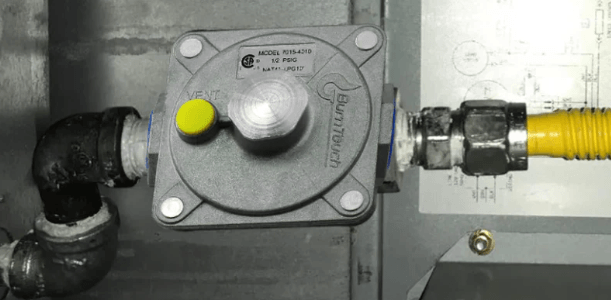
Installing a pressure regulator requires confirming downstream pressure, flow, and acceptable drop. The technician selects a regulator compatible with fluid properties and operating range, then shuts off the supply and relieves any residual pressure. Components are oriented with correct inlet/outlet marks, mounted securely, and connected with appropriate fittings, including filters or isolation valves if needed. A careful leak check precedes normal operation, followed by calibration steps. The next steps will clarify selection criteria and step-by-step installation specifics.
What Is a Pressure Regulator and Why You Need One
A pressure regulator is a device that lowers and stabilizes the pressure of a fluid from a supply line to a desired, controllable level.
In this context, a regulator ensures consistent flow characteristics and system safety.
What is a regulator clarifies function, while Why regulate explains reliability, protection, and efficiency goals.
Precision operation supports predictable performance across varying input conditions.
How to Choose the Right Regulator for Your System
Selecting the appropriate regulator begins with defining system requirements: target downstream pressure, acceptable pressure drop, flow rate, and the properties of the controlled fluid. The evaluator considers regulatory ethics, ensuring compliant documentation and safe testing practices. Pricing considerations influence model selection, balancing initial cost, lifecycle expenses, and warranty terms. Final choice aligns with reliability, compatibility, and documented performance under anticipated operating conditions.
Step-by-Step Installation for Common Setups
Installation proceeds by outlining typical configurations and detailing the exact steps required for each.
Step-by-step instructions follow for common setups, emphasizing repeatable procedures and proper alignment.
Each configuration includes explicit orientation, inlet and outlet connections, and adjustment points.
Attention to setup considerations and sizing criteria ensures correct regulator response, avoiding over- or under-pressurization.
Documentation notes critical tolerances, seals, and verification checks.
Safe Testing, Maintenance, and Troubleshooting Tips
Safe testing, maintenance, and troubleshooting require a disciplined, data-driven approach to verify regulators operate within specification, identify deviations promptly, and prevent equipment failure. The procedure emphasizes documented dry run results, systematic inspections, and clear acceptance criteria.
Routine calibration, leak checks, and valve responsiveness are tracked for trend analysis. Cost estimation and resource planning accompany risk-based prioritization to sustain reliable performance.
See also: How Crypto Is Empowering the Unbanked
Conclusion
A correctly installed pressure regulator stabilizes downstream flow and protects system components, reliably tolerating demand fluctuations. In practice, technicians treat the regulator like a precision valve in a hydraulic orchestra: a single mistuned note can disrupt the entire performance. A field study noted that proper installation reduced downstream pressure variance by 28% over a 72-hour period. With secure mounting, correct orientation, and thorough leak checks, the regulator functions as intended, enabling safe, consistent operation and predictable maintenance.


 By
By