Renting a lake boat for the weekend gives you real freedom if you plan it at the right time, when there are fewer crowds. Know how the boat moves. Remember the basics of being safe.
Most guides give simple lists, but real problems can happen at busy docks, in big afternoon waves, and with rules you may forget. Planning well helps your budget. It makes the day less stressful. It keeps everyone happy while on the water.
Pick the Right Boat Type
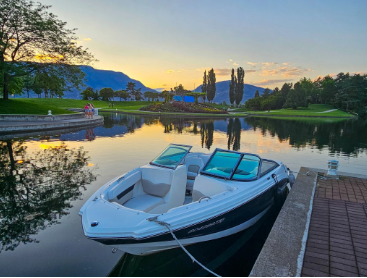
Choosing the right hull style for your group size and what you want to do keeps everyone from feeling crowded. Working with Lakeway Marina helps you avoid bumpy rides on the water. A pontoon boat gives you flat space and is good for relaxing with others. A runabout boat is better if you want to deal with rough waves and enjoy water sports.
The National Association of Boat Makers says people have more fun boating when they pick a boat that fits what they want to do.
- Pontoons: These are good when you have a big group. You can bring coolers and hang out in calm water.
- Runabouts: These are best if you want to go fast, do tubing, or ride through rough water.
- Deck boats: These give you lots of places to sit, and they still feel fun to use.
| Boat Style | Crew Fit | Best Weekend Use | Key Trade-Off |
| Pontoon | 8 to 12 people | Lounging, coves, gentle cruising | Slower in heavy chop |
| Runabout | 5 to 8 people | Watersports, point-to-point runs | Less open deck space |
| Deck Boat | 7 to 10 people | Mixed family outings and speed | Higher fuel burn |
Time Your Weekend Water Hours
Leaving early saves you from the busy weekend crowd and makes your trip feel calm and easy. The U.S. Coast Guard Recreational Boating Statistics report says Saturday is the most dangerous day on the water. Most problems happen between 2:30 p.m. and 6:30 p.m. If you get going early in the morning, you will find smooth water, less wind, and open spots to anchor your boat.
- Book your morning times early when summer weekends will be busy.
- Have lunch before the afternoon traffic gets heavy.
- Come back well before it gets dark to skip the long lines at the fuel docks.
Master Docking Without Brakes
Boats don’t have brakes. The way the wind and your speed from before control how you stop, not just the way you steer. Many new boat renters online say they guess the stopping space wrong until they practice gliding with the motor not pushing in near docks. Put the boat into forward or reverse gear for just short runs, keep the people you have on board sitting down, and tell someone to hold the lines early.
Check Safety Gear and Rules
A personal flotation device (PFD), or wearable life jacket, is important. The U.S. Coast Guard says that 87% of people who drowned in 2024 were not wearing one. Four out of five people who died while boating were on boats that are less than 21 feet. Most of these accidents happen in calm weather. Check if your life jackets fit, if your fire extinguisher is ready, and look up local rules with Lakeway Marina before you go out.
Plan Fuel, Weather, and Deposits
Hidden costs and sudden storms can ruin your weekend trip faster than engine trouble. Ask if fuel is charged by engine hours, at the dock, or at a flat rate. You should also find out if there is a security deposit you can get back before you agree to anything. Look at the wind and lightning forecasts for each hour. Take plenty of water and things to block the sun, and have emergency numbers with you.
Smooth Sailing Ahead
A good weekend on the water happens when everyone takes it slow, knows their job, and follows simple rules. Book your boat early. Keep speed low in no-wake zones. Always wear your life jacket. Let the staff show you how to use the boat. When everyone gets ready together, your group has fun and stays away from trouble on the lake.
FAQs
- How early should I book a weekend boat rental? Book early to get the time and boat you want. Try to rent between one and three weeks ahead, especially for busy weekends and morning hours.
- What usually causes extra charges at boat return? Late drop-offs, tanks that need more gas, any damage to the prop or hull, and lost gear can cost more. These things make your deposit smaller.
- What happens if afternoon storms roll in? Most good operators watch the weather for you. They tell people to go back early or stay in a safe place instead of going across rough water.

 By