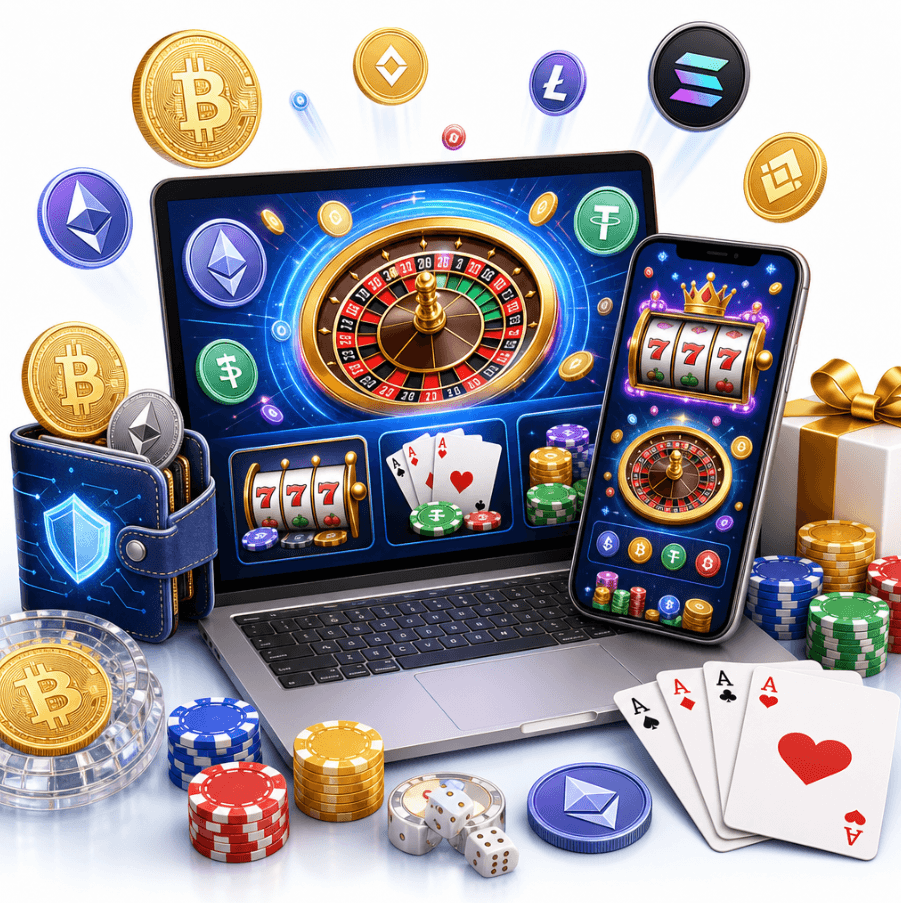
Coin Casino Gaming Explained For Modern Players
Coin casino platforms have evolved from niche experiments into a mainstream branch of online gaming. Yet for many people, the mechanics behind crypto casinos still feel mysterious. This guide explains how these sites work, from the underlying coins and wallets to game fairness, payments, and regulations, so readers can understand the model behind the buzz.
What Coin Casino Gaming Really Means
At its core, a coin casino is an online gaming site that lets players use cryptocurrencies such as Bitcoin, Ethereum, or stablecoins instead of traditional fiat currencies. In many cases, the interface looks similar to a conventional casino site, but the accounting layer underneath is built around blockchain transfers, on site balances, and sometimes token based loyalty systems.
Some platforms are pure crypto operations that only accept coins. Others are hybrid, letting users deposit with cards or bank transfers and then convert balances into coins on the back end. In both cases, the main selling points are usually fast transfers, privacy focused sign ups, and access for players in regions where banking for gaming is less straightforward.
How Accounts Wallets And Balances Work
To use a coin casino, a player typically creates an account, sets up two factor login, and then connects a crypto wallet. This can be a self hosted wallet the player controls or a wallet provided directly by the platform. The wallet address becomes the destination for incoming deposits and outgoing withdrawals.
When a deposit is made, the blockchain transaction is broadcast and, after a set number of confirmations, the player’s on site balance updates. From there, play usually happens off chain for speed and lower costs, with the site tracking bets and payouts internally. Only when the user requests a withdrawal does the system convert that internal balance back into an on chain transaction to the player’s wallet.
Some brands layer loyalty or VIP programs on top of this structure. For instance, a site like Coin Casino might reward frequent play with points or native tokens that can be used for perks, tournaments, or other benefits across its ecosystem, aligning coins, play, and engagement in a single environment.
Game Engines And Provably Fair Systems
Game content at a coin casino can come from two sources. First, established game studios supply slots, table games, and live dealer streams, often with the same math models used on fiat sites. Second, some operators build in house titles that run partially on smart contracts and blockchain based randomization.
A key concept in this space is “provably fair” gaming. Here, the random number generation behind each bet is transparent. The site publishes cryptographic hashes and seeds before and after rounds so that players can verify that outcomes were not altered after the fact. While this requires a bit of technical know how, it adds a layer of auditability beyond conventional certification alone.
In practice, trustworthy coin casino operators still pair provably fair systems with independent lab testing and licensing regimes. The blockchain elements offer transparency, while classic compliance processes provide additional assurance around payouts, return to player percentages, and operational standards.
Payments Speed Privacy And Volatility
One of the main attractions of coin casino gaming is how quickly transfers clear compared to some traditional banking channels. Deposits can land in minutes once confirmations are complete, and withdrawals often process in similarly short timeframes, subject to any internal checks the site carries out before sending funds.
Certain players also value the privacy characteristics of crypto. While reputable operators still perform know your customer checks to satisfy licensing and anti money laundering rules, the movement of funds takes place over pseudonymous blockchain addresses rather than bank accounts. This reduces the involvement of intermediaries in the financial flow.
Volatility is the other side of the coin. When a player holds balances in a cryptocurrency like Bitcoin, the value of that balance can move up or down significantly relative to their home currency. To address this, many coin casino platforms offer stablecoins pegged to major currencies, or denominate stakes directly in fiat terms even when the backend uses coins.
Licensing Compliance And Jurisdictional Nuances
The regulatory environment for coin casino operations varies widely across countries. Some jurisdictions issue specific licenses that cover crypto based gaming, with requirements similar to those applied to more traditional online casinos. Others treat coins simply as another payment method within existing frameworks, while a few have not yet created clear rules at all.
Legitimate operators tend to highlight their license number, regulator, and compliance controls clearly on site, making it possible for knowledgeable users to check status with the issuing authority. This can include information on where servers are hosted, how player funds are managed, and what complaint channels exist if something goes wrong.
In the United States, the picture is especially fragmented, with regulation handled mostly at state level and many states either limiting or not addressing crypto based casino play in their online gaming laws. As a result, some platforms geoblock US locations altogether, while others operate only in states where the legal landscape is more clearly defined.
Security Fair Play And User Experience
Because coins are bearer assets, secure key management and platform security are central to any coin casino’s credibility. Serious operators combine cold storage for the majority of funds, strict withdrawal procedures, multi signature wallets, and robust monitoring for suspicious activity on both the blockchain and the gaming side.
On the fair play front, third party game certifications, adherence to published return to player ranges, and transparent terms around promotions and tournaments help build trust. Provably fair mechanics can complement, but not replace, this wider set of safeguards.
The user experience has also matured. Early crypto gaming sites often required players to understand every detail of wallet software and blockchain transactions. Today, many interfaces guide users through coin selection, show estimated fees, and present balances in familiar currency equivalents. This lowers the barrier for newcomers who are interested in coin casino gaming but do not live and breathe blockchain technology.
For readers following the intersection of gaming, payments, and emerging finance, coin casino platforms are an intriguing case study. They blend traditional gambling formats with blockchain infrastructure, new loyalty models, and evolving regulation. Understanding how the pieces fit together makes it easier to assess future trends, from tokenized rewards to cross platform wallets, and to follow how this corner of online entertainment develops in the years ahead.


 By



 By