You see swelling, pain, or a wound that suddenly looks far worse than it did hours ago, and your mind goes straight to panic. That reaction makes sense. Necrotizing fasciitis is one of those terms that sounds terrifying because it is serious, so contacting a veterinarian in Radford, VA is important. In pets, it can move fast, damage tissue quickly, and leave very little room for waiting to see if things improve by morning.
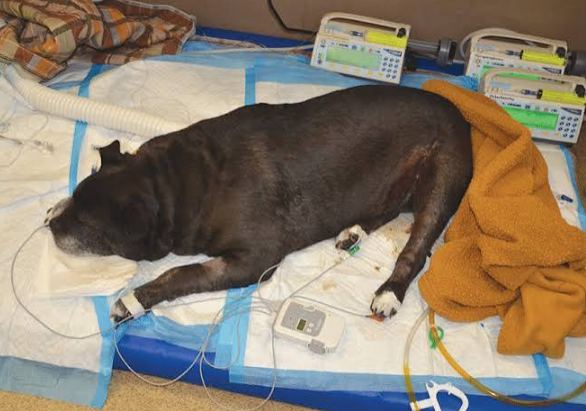
An animal hospital treats this as an emergency. The goal is simple and urgent. Stop the infection, remove damaged tissue, control pain, support the body, and keep your pet stable through a condition that can turn critical in a short time. A veterinary response to necrotizing fasciitis usually involves rapid exams, imaging or lab work, surgery, antibiotics, and close monitoring.
Necrotizing Fasciitis In Pets Requires Immediate Animal Hospital Care
Necrotizing fasciitis is a severe soft tissue infection that spreads through the tissue beneath the skin. In people, the CDC describes it as a rare but very serious infection that destroys tissue and needs treatment right away. You can read more in the CDC’s overview of necrotizing fasciitis. The same urgency applies when a veterinarian suspects it in a dog or cat.
The hard part is that early signs can look like something less severe. A small bite wound, a scratch, a surgical site, or a skin injury may not seem dramatic at first. Then the area becomes intensely painful, swollen, warm, discolored, or foul smelling. Your pet may seem weak, feverish, restless, or suddenly withdrawn. Some pets stop eating. Others cannot settle because the pain is severe.
This is where delay becomes dangerous. A serious skin infection in pets can worsen between one part of the day and the next. If tissue dies, bacteria can spread more easily, toxins can build up, and the risk of shock rises. That is why an animal hospital does not treat this like a routine skin problem.
See also: Preparing for Life’s Milestones With a Clear Financial Strategy
An Animal Hospital’s Response To Necrotizing Fasciitis In Pets Is Fast And Aggressive
When your pet arrives, the veterinary team starts with stabilization. If your pet is dehydrated, in shock, or struggling with pain, fluids and pain control begin early. Bloodwork helps show how the body is responding. Imaging may help define how deep the infection goes or rule out gas in the tissues. The exam matters just as much, because the speed of change and the level of pain often tell the team a lot.
Surgery is often the turning point. Dead and infected tissue usually has to be removed. That sounds harsh when you first hear it, especially if you are already scared, but leaving damaged tissue in place can give the infection more room to spread. Some pets need more than one procedure because the border between healthy and unhealthy tissue can change over time.
Antibiotics are a key part of treatment, but they are not the whole treatment. In aggressive infections, medication alone may not reach tissue that has already died. The CDC’s clinical guidance on necrotizing fasciitis explains why prompt antibiotics and surgery are central to care. Veterinary teams follow the same logic when they respond to suspected cases in pets.
You may also hear about wound management, bandage changes, cultures, oxygen support, nutritional support, and hospitalization for monitoring. This is not overreaction. A pet can look a little better after pain medicine and fluids, then decline again if the infection is still advancing underneath the skin.
The Risks Of Waiting Are Higher Than The Stress Of An Emergency Visit
Many owners hesitate for understandable reasons. You may be hoping it is just a bad skin infection. You may be worried about cost, anesthesia, or hearing that surgery is needed right away. Those fears are real. The problem is that waiting can turn a treatable emergency into a life threatening crisis.
If a pet has a rapidly worsening wound and you try home care first, you lose time that the infection may be using to spread. Cleaning the surface does not fix deeper tissue damage. Leftover antibiotics at home are not a safe substitute either. They may be the wrong drug, the wrong dose, or too late to control an aggressive infection on their own.
Emergency treatment for necrotizing fasciitis in pets is often more intense in the first hours because veterinarians are trying to get ahead of the disease before it outruns the body’s ability to cope.
Practical Differences Between Home Observation And Animal Hospital Treatment
| Approach | What It Looks Like | Main Risk Or Benefit |
|---|---|---|
| Home observation | Watching swelling, cleaning the wound, waiting for improvement | High risk of delayed treatment if the infection is spreading under the skin |
| Primary vet same day visit | Exam, basic wound care, referral if severe signs are present | Helpful if seen early, but rapid decline may still require emergency transfer |
| Animal hospital emergency care | IV fluids, pain control, bloodwork, imaging, surgery, antibiotics, monitoring | Best chance to control a fast moving deep tissue infection |
| Delayed surgical care | Trying medication first when tissue death is already present | Higher risk of infection spread, larger wounds, longer recovery, and worse outcome |
Three Steps You Can Take Right Now
1. Treat sudden swelling and severe pain as an emergency. If the skin changes quickly, your pet cries out when touched, seems weak, or a wound looks dramatically worse, call an animal hospital right away. Fast change is the warning sign people most often wish they had acted on sooner.
2. Take photos and note the timeline. A picture from a few hours ago compared with what you see now can help the veterinary team understand how fast the problem is moving. Write down when you first noticed the wound, any recent bites or surgeries, changes in appetite, vomiting, lethargy, or fever.
3. Do not give leftover medication or wait for it to “declare itself.” Keep your pet from licking or scratching the area, but skip home treatment beyond basic protection during transport. Deep soft tissue infection in pets needs professional care, not trial and error.
Quick Action Gives Your Pet The Best Chance
If you are facing the possibility of necrotizing fasciitis in a pet, you are not overreacting by moving fast. You are responding to a condition that can become critical in hours, not days. The right animal hospital will focus on stabilizing your pet, finding the extent of the damage, and starting treatment without losing time. If your pet has a rapidly worsening wound, marked pain, swelling, or sudden illness, contact an animal hospital immediately.


 By