Emergency medical supplies must be easy to identify, correctly stored, and suited to the environment where they will be used. For workplaces, transport operators, outdoor organizations, and trained response teams, choosing appropriate trauma dressings is part of a broader commitment to safety and preparedness.
The best purchasing decisions begin with a realistic assessment of risks. Teams should consider the kinds of injuries that could occur, how quickly professional medical assistance can arrive, and which staff members are trained to provide first aid. The goal is not to collect the largest possible number of products but to maintain a suitable, dependable, and manageable set of supplies.
The Purpose of Trauma Dressings
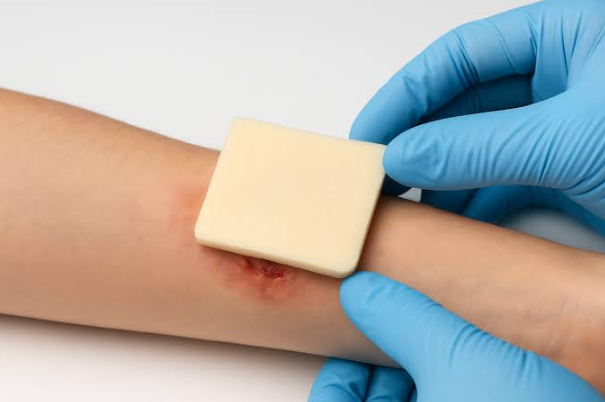
Trauma dressings are used to cover wounds and, depending on their design, support pressure over an injured area. Some products combine multiple components to make them easier to carry and organize. Others are intended for specific wound-care applications.
Product names can be confusing because different manufacturers may use similar descriptions for products with different features. Read the label and instructions rather than relying on a general category name. For serious injuries, call emergency services promptly and follow recognized first-aid guidance.
Types of Dressings and Their Differences
A basic sterile dressing may cover a wound and support direct pressure. A pressure dressing may include additional components designed to help maintain pressure. Hemostatic dressings are intended to assist clot formation and should be used only according to their specific instructions and training requirements.
These categories are not interchangeable in every situation. The correct selection depends on the wound, the product’s intended use, and the responder’s training. No dressing should be treated as a replacement for urgent professional care when an injury is life-threatening.
For trained responders assembling trauma kits, emergency trauma bandages may be among the products considered. Buyers should assess the exact model, packaging, instructions, and quality documentation before including it in a standardized kit.
See also: How to Choose a Leather Handbag That Fits Your Lifestyle
How to Assess a Product
Intended use and instructions
The manufacturer should clearly explain what the product is designed to do, how it should be stored, and what limitations apply. The instructions should be accessible to the intended users.
Materials and construction
Review the available information about the wound pad, wrapping material, fastening components, and other product elements. Avoid inferring quality or performance from appearance alone.
Sterile packaging
If a product is labeled sterile, packaging integrity is essential. Check that the seal is intact and that the product has not passed its stated expiration date. Damaged or compromised packages should be handled according to the manufacturer’s guidance and organizational policy.
Size and storage
Product dimensions can affect whether a dressing fits the intended kit. Consider how supplies will be carried and whether storage conditions can be maintained in vehicles, outdoor packs, or fixed stations.
Documentation and traceability
For organizational procurement, retain product specifications, supplier records, batch or lot information where available, and relevant conformity documents. These records can help with inventory checks and supplier follow-up.
Designing Kits for Different Users
A kit for a small office may differ from one used by an industrial safety team or a remote field crew. Organizations should identify their hazards and determine the appropriate supply levels with input from qualified safety or medical professionals.
The kit should be clearly labeled and stored where trained personnel can reach it quickly. A written inventory list can show which products belong in each kit and how many replacements should be kept in reserve.
Avoid unnecessary complexity. If staff members must search through multiple unmarked pouches to find a dressing, the kit’s organization may need improvement. Consistent layouts across multiple kits can simplify training and restocking.
Inspection, Replenishment, and Recordkeeping
Routine inspection helps detect missing supplies, damaged packaging, and expired products. The frequency should reflect product instructions, organizational policy, and the conditions in which the kit is stored.
A simple inspection record can include the date, inspector, product name, quantity, expiry information, and any corrective action. Following an incident or training exercise, check the kit and replace used or compromised items before returning it to service.
Where multiple sites are involved, a centralized inventory system may help identify shortages and support consistent procurement. Standardized product descriptions also reduce the chance of ordering an unintended alternative.
Choosing a Supplier for Long-Term Reliability
Suppliers should be able to confirm product identity, provide current documentation, and explain shipping and storage requirements. For bulk orders, ask about lead times, minimum quantities, packaging configurations, and procedures for handling damaged deliveries.
If purchasing across borders, verify import and medical-device requirements in the destination market. Do not assume that a product’s availability online means it is automatically approved for every use or jurisdiction.
A long-term supplier relationship can be valuable when it supports consistent product identification, clear communication, and dependable replenishment. Evaluate these factors alongside unit cost.
FAQs
1. Are all emergency trauma bandages the same?
No. Designs, materials, packaging, instructions, and intended uses can vary by model and manufacturer. Review the exact product documentation before selection.
2. How can organizations keep trauma kits ready for use?
Use regular inspections, clear inventory records, proper storage, expiry checks, and prompt replacement of used or damaged items.
3. Do trauma dressings eliminate the need for emergency services?
No. Serious bleeding or traumatic injury requires prompt emergency assistance. Dressings are only one part of a first-aid response.
Conclusion
Selecting emergency wound dressings requires a balance of product suitability, clear documentation, storage planning, and user training. Organizations should standardize their kits around assessed risks and verify each product’s intended use. Regular inspection and dependable replenishment help ensure that supplies remain accessible and ready for emergencies.


 By