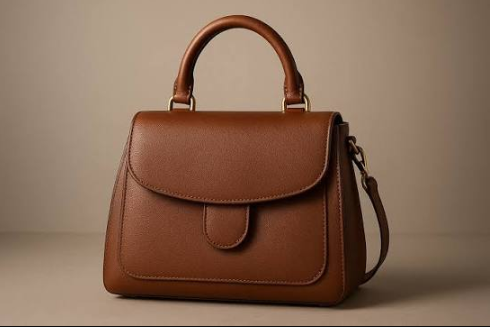
A handbag can be much more than a place to carry everyday essentials. It can complement an outfit, improve organisation, and become a practical part of a person’s daily routine. For many shoppers, finding the right combination of appearance, comfort, durability, and useful storage is more important than simply choosing the most fashionable design.
When people search for handbag women leather options, they are often looking for a piece that combines polished style with practical everyday use. Leather can offer a distinctive texture and refined appearance, while the right shape can make the bag suitable for work, shopping, social occasions, or travel.
Choosing carefully requires more than looking at photographs. Size, construction, compartments, handles, closures, colour, and maintenance should all be considered before making a purchase.
Understanding Your Everyday Needs
The first step in choosing a handbag is identifying how you expect to use it.
Someone who travels between home and the office may need enough space for a wallet, phone, keys, notebook, cosmetics, and other personal belongings. Another person may only need room for a phone, card holder, and a few small essentials.
Think about your normal routine before choosing a size. A bag that is too small may quickly become frustrating, while an oversized design can feel unnecessarily heavy.
It is also helpful to consider how often you will carry the bag. An everyday handbag should generally be comfortable enough for extended use, while a bag intended for occasional events can focus more heavily on appearance.
Why Leather Remains a Popular Choice
Leather is widely used in fashion accessories because of its distinctive texture and versatile appearance. Depending on its finish, leather can look smooth and polished, softly textured, structured, or relaxed.
Colour also plays an important role. Black, brown, tan, cream, and other neutral shades can work with many outfits. More expressive colours can add contrast and create a stronger statement.
Leather can also change in appearance through regular use. Small signs of wear may contribute to its individual character, although proper care is important for maintaining the material.
When selecting a handbag women leather style, pay attention not only to the surface but also to stitching, handles, hardware, lining, and closure mechanisms. These construction details can influence both appearance and everyday usability.
Choosing the Right Shape
Different handbag shapes serve different purposes.
Structured handbags
Structured designs maintain a defined silhouette and can create a polished appearance. They can work particularly well with professional clothing or outfits where a neat, organised look is preferred.
However, rigid construction may limit flexibility. If you regularly carry objects of different shapes, a slightly softer design could be more convenient.
Soft handbags
Soft silhouettes can provide a more relaxed appearance and may adapt more easily to the contents inside. They can be suitable for casual outfits and everyday activities.
The trade-off is that softer bags may not always maintain a clear shape when heavily packed. Consider whether organisation or flexibility is more important for your routine.
Compact handbags
Smaller designs are useful when carrying only essentials. They can be comfortable for dinners, events, shopping trips, and short outings.
Before buying, check the actual dimensions. A compact appearance can sometimes hide a surprisingly small interior.
Paying Attention to Interior Organisation
A beautiful exterior does not necessarily mean a handbag will be convenient to use.
Interior organisation can make a major difference. Look for features such as zipped pockets, open compartments, card sections, or dividers if you regularly carry several small items.
Think about which belongings need quick access. Your phone and keys may be easier to manage when they have dedicated spaces rather than being placed at the bottom of a large compartment.
The lining should also be considered. A well-designed interior can make the bag easier to organise and maintain.
Handles, Straps, and Carrying Comfort
The carrying method should match your lifestyle.
Handheld bags can provide a classic appearance, but they may be less convenient when you need both hands available. Shoulder and crossbody styles can offer greater freedom of movement.
Handle length matters as well. Short handles may be suitable for hand or forearm carrying, while longer straps can provide additional flexibility.
Before choosing a bag, consider how it feels when empty and imagine how it will feel after being filled. A bag that seems comfortable in a shop may become less comfortable when carrying heavier everyday items.
Selecting a Versatile Colour
Colour can determine how frequently a handbag becomes part of your wardrobe.
Neutral shades are often easy to combine with different clothing styles. Black can complement formal and casual outfits, while brown and tan can work particularly well with warm colours and natural tones.
Lighter colours can create a softer seasonal appearance but may require more attention to keep clean. Bright shades can bring personality to simple outfits but may not coordinate with every combination.
Rather than selecting a colour based solely on current trends, consider the colours already present in your wardrobe.
Matching a Handbag to Different Occasions
A versatile handbag can move between several parts of your lifestyle.
For work, a medium or larger structured design may provide enough room for personal essentials and professional items. For weekends, a relaxed silhouette may feel more appropriate. For evening occasions, a compact design can keep the overall outfit light and streamlined.
The goal is not necessarily to find one bag that works for every situation. Instead, consider which occasions make up most of your routine and choose accordingly.
A carefully selected neutral handbag can become a dependable everyday accessory, while a second statement piece can provide variety for special occasions.
Caring for a Leather Handbag
Leather requires appropriate care to maintain its appearance. Always follow the manufacturer’s recommendations because different finishes can have different requirements.
For routine maintenance, gently remove dust using a suitable soft cloth. Avoid experimenting with household cleaning products, as unsuitable substances can alter the material or finish.
Moisture should also be handled carefully. If a bag becomes wet, avoid applying direct heat unless specifically recommended. Allow it to dry according to the care guidance provided for the material.
Storage is equally important. Keep the handbag in a dry environment away from prolonged direct sunlight. When possible, use suitable protective storage and avoid placing heavy objects on top of the bag.
Do not overfill the interior. Excessive weight can put additional stress on handles, seams, closures, and other structural components.
Making a Thoughtful Purchase
Before buying, make a short checklist based on your personal needs.
Ask yourself how much you normally carry, whether you prefer handheld or hands-free carrying, which colours work with your wardrobe, and whether you need internal compartments.
Then compare the construction and dimensions of several designs. Product photographs can help with visual assessment, but measurements provide a more reliable understanding of capacity.
Budget should also be considered alongside practical use. A handbag that fits your routine and wardrobe may receive considerably more use than a design chosen purely because it looks attractive at first glance.
The best choice is ultimately personal. A practical handbag should feel comfortable, suit your style, and make everyday organisation easier.
Frequently Asked Questions
1. What should I consider before buying a leather handbag?
Consider the size, shape, material finish, carrying method, interior compartments, closure, colour, weight, and care requirements. Your daily routine should guide the decision.
2. Are leather handbags suitable for everyday use?
They can be, provided the design matches your routine and the material receives appropriate care. Consider the bag’s weight, capacity, construction, and maintenance requirements before using it regularly.
3. How do I choose a handbag colour?
Start with the colours already present in your wardrobe. Neutral shades can offer broad versatility, while brighter colours can provide contrast and personality.
Conclusion
Choosing a handbag involves balancing personal style with practical requirements. Size, shape, organisation, comfort, colour, and material all influence how useful the accessory will be in everyday life.
A thoughtful selection process can help you avoid choosing a design that looks appealing but does not suit your routine. By considering how you carry your belongings, what you need to store, and how much maintenance you are prepared to provide, you can find a leather handbag that feels both stylish and practical.

 By