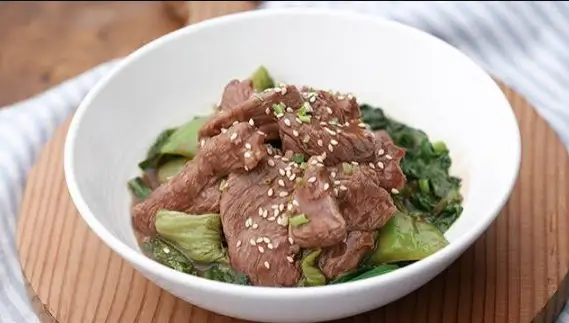
Planning everyday meals becomes easier when households have a clear idea of the ingredients they use most often. Beef can play a useful role in meal planning because it works with many cooking styles, vegetables, grains, and seasonings. From simple noodle dishes to slow-cooked family dinners, the right cut can support different recipes throughout the week.
However, meal planning is not only about deciding what to cook. It also involves estimating portions, organizing storage, using ingredients efficiently, and maintaining food safety. These habits are particularly valuable for families with busy schedules and kitchens that need to prepare several meals from a limited shopping budget.
Start With a Realistic Weekly Menu
A useful meal plan should reflect the number of people being served, their preferences, and the time available for cooking. Planning an elaborate menu every day can become difficult to maintain, so begin with recipes that suit the household’s routine.
For example, one beef purchase could support several different meals if the cuts and portions are selected carefully. Thin slices may be used for a quick stir-fry, while suitable stewing pieces can become part of a slow-cooked dish. Leftovers from a properly stored cooked meal may also be incorporated into another recipe.
Before shopping, consider the following questions:
- How many meals will include beef?
- Which recipes require quick cooking and which need more preparation time?
- How much freezer and refrigerator space is available?
- What vegetables, grains, and pantry ingredients are already at home?
- How many portions are needed for each meal?
Answering these questions reduces unnecessary purchases and makes it easier to use ingredients before their quality declines.
Selecting Beef According to Cooking Time
Different cuts perform differently under heat. Matching the cut to the cooking method can improve texture and make meal preparation more predictable.
Quick meals for busy weekdays
Stir-fries, noodle bowls, wraps, and rice dishes can be convenient when cooking time is limited. Thinly sliced beef or suitable tender cuts generally work well in recipes that use relatively short cooking times.
Preparing the ingredients before heating the pan can make the process smoother. Slice vegetables, measure sauces, and prepare seasonings in advance. Cook the beef in manageable batches if necessary, since overcrowding the pan can reduce browning.
A balanced stir-fry might combine beef with broccoli, carrots, mushrooms, and peppers. Serve it with rice or noodles, adjusting the sauce to suit personal preferences.
Slow-cooked meals for family gatherings
Stews, braises, and curries can be suitable for weekends or days when more cooking time is available. Cuts appropriate for slow cooking can develop a tender texture when heated gently for long enough.
Onions, garlic, tomatoes, herbs, and spices can build depth of flavor. Adding vegetables at the appropriate stage helps prevent them from becoming excessively soft during long cooking periods.
Slow-cooked meals are also useful for preparing several portions at once. Any extra food should be divided into suitable containers and refrigerated promptly rather than left at room temperature for an extended period.
See also: Streaming Technology in Gaming
Flexible recipes for changing schedules
Some meals can be adapted easily depending on the ingredients available. Beef and vegetable soup, for example, can incorporate suitable leftover vegetables, while a rice bowl can use different seasonings and toppings.
The key is to plan recipes around compatible ingredients rather than buying a large number of items for a single dish. This approach can simplify shopping and make home cooking less wasteful.
Why Portion Planning Makes a Difference
Portion planning helps households estimate how much meat they need without purchasing more than their storage facilities can accommodate. It also makes it easier to distribute ingredients across several meals.
Divide meat before freezing
If a package contains more beef than one recipe requires, divide it into meal-sized portions before freezing whenever practical. Use suitable freezer-safe packaging, remove excess air where possible, and label each portion clearly.
Smaller packages can be easier to thaw than one large block. They also reduce the likelihood that the household will need to thaw more meat than necessary.
Keep an inventory
A simple freezer list can record the cut, quantity, and date placed into storage. Update the list whenever an item is used.
This method is useful for families that regularly purchase meat in bulk. It can also prevent packages from becoming forgotten at the back of the freezer.
Plan around other ingredients
A meal should not rely on meat alone. Vegetables, whole grains, beans, and other foods can contribute fiber, vitamins, minerals, and variety. The appropriate balance depends on dietary needs, preferences, and the recipe.
Using a range of ingredients can also make a small quantity of beef suitable for more portions without sacrificing the overall character of the meal.
Understanding Frozen Meat Quality
Freezing slows many processes that affect food quality, but the condition of beef still depends on how it was handled before and after freezing.
Freshly prepared, well-packaged meat that is frozen and maintained at an appropriate temperature is generally better positioned to retain its quality than meat subjected to repeated temperature fluctuations. Packaging helps reduce exposure to air, which can cause dry areas known as freezer burn.
Freezer burn mainly affects texture and flavor. It does not necessarily mean that the food is unsafe, but it can make parts of the meat less appealing.
Storage instructions should always be followed. For long-term frozen storage, a temperature of 0°F (-18°C) or below is generally recommended. Product-specific instructions and any applicable local food safety guidance should take priority where relevant.
Safe Preparation From Freezer to Table
Meal planning works best when food safety is built into the routine.
Thaw in a controlled environment
The refrigerator is usually the preferred place to thaw beef. Keep the meat in a container or tray so that juices cannot contaminate other foods.
If cold-water thawing is used, the beef should remain in a leakproof package and the water should be changed regularly. Meat thawed by this method should be cooked promptly. Microwave thawing is also possible when the product is cooked immediately afterward.
Never thaw meat on the kitchen counter for several hours.
Use separate preparation areas
Raw beef should be kept separate from cooked food, fresh vegetables, and ingredients that will not receive further cooking. Wash hands and clean utensils and work surfaces after contact with raw meat.
Use a food thermometer to verify that beef reaches the appropriate safe internal temperature for the type of cut and preparation. Whole cuts and ground beef have different temperature recommendations, so follow reliable food safety guidance rather than judging doneness by color alone.
Store leftovers promptly
Divide cooked food into shallow containers to help it cool efficiently. Refrigerate leftovers promptly and use them within the recommended storage period. Reheat thoroughly before eating.
These practices help reduce the risk of foodborne illness while allowing households to make better use of prepared meals.
Making Informed Purchasing Decisions
A practical shopping decision considers product information, packaging, quantity, and the household’s ability to store the purchase. For restaurants, additional considerations may include portion consistency, menu demand, delivery schedules, and supplier documentation.
When reviewing frozen beef hong kong buyers can explore the available products and compare them with their planned cooking methods and portion requirements.
Before making a purchase, check pack sizes, product descriptions, storage requirements, and delivery details. Buying a quantity that fits the available freezer space is generally more useful than purchasing extra meat without a clear plan for using it.
Frequently Asked Questions
1. How can one beef purchase support several meals?
Choose cuts suited to different recipes, divide the meat into meal-sized portions, and label each package. Plan complementary meals that use different vegetables, grains, sauces, and cooking methods.
2. Is frozen beef suitable for weekly meal preparation?
Yes, provided it is stored and handled correctly. Portioning before freezing can simplify thawing, while a written inventory helps households track what they have available.
3. How can food waste be reduced when cooking beef?
Plan meals before shopping, use appropriate portion sizes, rotate stored products, and refrigerate cooked leftovers promptly. Avoid buying quantities that exceed the household’s storage capacity or likely consumption.
Conclusion
Organized meal planning can make beef easier to incorporate into everyday cooking. By selecting cuts according to the recipe, dividing packages into useful portions, and combining meat with a variety of other ingredients, households can create flexible menus without unnecessary complexity.
Safe storage and preparation are equally important. A consistent freezer inventory, proper thawing, clean preparation surfaces, and appropriate cooking temperatures help protect food quality and safety. With these practices in place, beef can remain a versatile ingredient for both quick weekday meals and carefully prepared family dinners.


 By