Packaging rarely gets the spotlight. Most people notice the flavor, the brand, or the impulse to grab a pack at the checkout. Yet the small sleeve, box, or blister around a piece of gum shapes the product experience from the first second. It protects freshness, supports hygiene, communicates identity, and influences whether a product feels modern, practical, or forgettable.
In consumer tech and product design, small details often decide whether something succeeds. The same logic applies to chewing gum. Good packaging does not just hold a product. It guides behavior, improves convenience, and creates a stronger connection between user and brand. That is why gum packaging deserves more attention as a design category in its own right.
Small format, big design challenge
Gum sits in a highly competitive retail space. It is usually sold in compact formats, often near cash registers, in vending machines, kiosks, airports, and convenience stores. That means the packaging must do several jobs at once in a very limited surface area.
First, it must protect the gum from moisture, heat, and contamination. Second, it should be easy to open and reseal when possible. Third, it needs to stand out visually without becoming cluttered. A successful design balances all three. If the pack looks attractive but opens poorly, users remember the frustration. If it functions well but lacks shelf appeal, buyers may never pick it up in the first place.
This is where packaging becomes more than wrapping. It becomes product engineering on a miniature scale.
Functionality drives loyalty
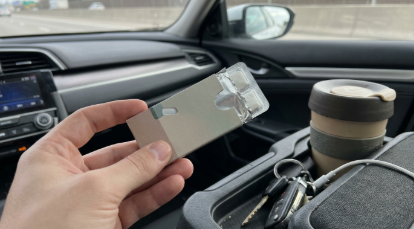
Many brands focus heavily on flavor innovation, but packaging often shapes repeat purchases just as strongly. People tend to return to products that fit smoothly into daily routines. A slim pack that slides into a pocket, a flip-top box that opens with one hand, or a resealable format that keeps pieces fresh all add practical value.
These details matter because chewing gum is usually consumed on the move. People use it while commuting, working, driving, or traveling. Packaging should support that rhythm. It should reduce friction, not add to it. A poorly designed pack that tears awkwardly or spills contents can quickly weaken trust in the product, even if the gum itself tastes good.
See also: How to Build a Stronger Financial Safety Net for the Future
Sustainability is no longer optional
Another reason gum packaging has become more important is the growing pressure to reduce waste. Consumers increasingly expect brands to rethink materials, improve recyclability, and cut unnecessary layers. This shift affects even the smallest products.
Designers now face a more demanding brief. They should create packaging that protects the product, looks appealing, and uses materials responsibly. That often means exploring paper-based formats, lighter plastics, mono-material solutions, or smarter pack structures that reduce waste without sacrificing performance.
The challenge is real because gum requires protection from air and humidity. Still, better material choices and more efficient design should be central to future development. Sustainability works best when it feels integrated rather than decorative.
Where branding meets user experience
The best packaging tells a story quickly. Color, texture, shape, and typography all influence perception before a customer even tries the product. Fresh mint gum may lean into clean lines and cool tones. Fruit flavors often use brighter palettes and more playful shapes. Premium gum products may choose a more restrained and tactile finish.
This visual language matters because gum is often an impulse purchase. The pack must communicate freshness, taste, and quality in seconds. At the same time, it should remain easy to recognize across different retail settings. Strong packaging creates that instant recognition while still feeling useful in the hand.
A quiet driver of product success
Gum may seem simple, but the packaging around it is anything but. It sits at the intersection of branding, engineering, convenience, and sustainability. In a crowded market, that combination can decide whether a product becomes part of someone’s daily habit or disappears into the background.
As product categories become more refined, packaging will keep playing a larger role in how consumers judge quality. For gum, the smallest format often carries the biggest expectations. That is exactly why smart packaging design should never be treated as an afterthought.


 By