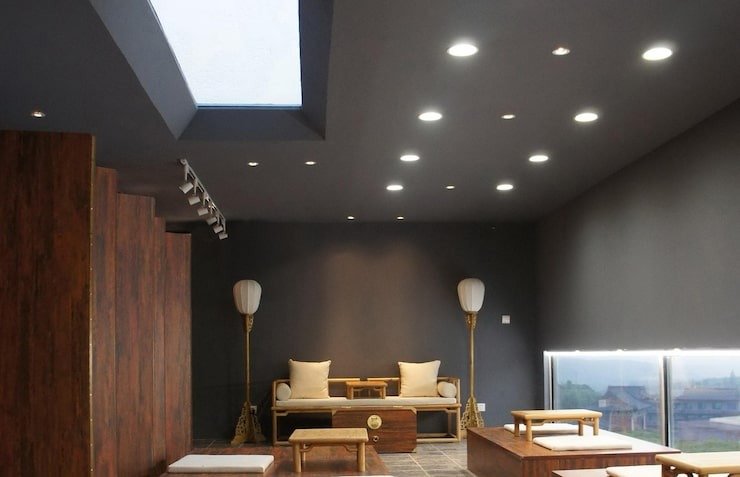
Modern home design is moving beyond appearance and focusing more on how a space feels, functions, and supports everyday life. Natural light has become an important part of that shift, especially as homeowners look for brighter interiors, better connections with the outdoors, and more thoughtful use of available space. A flat ceiling skylight can help bring daylight into areas where traditional windows may not provide enough illumination, while also adding a clean architectural feature to the room.
The appeal of daylight is not simply about making a room brighter. It can influence how colors appear, make compact spaces feel more open, and create a stronger connection between indoor and outdoor environments. As home design continues to prioritize comfort and functionality, bringing natural light into the center of the design conversation makes sense.
Why Natural Light Matters in Modern Homes
Natural light can transform an interior without changing its basic layout. A room that feels enclosed with artificial lighting can appear more welcoming when daylight reaches deeper into the space.
Unlike a fixed light source, daylight changes throughout the day. Morning light can create a soft atmosphere, while brighter midday illumination can highlight architectural details, furniture, and finishes. These subtle changes give interiors a sense of movement and character.
Natural light can also influence how people experience their surroundings. Bright, well-lit spaces often feel more comfortable and inviting, making daylight an important consideration when planning kitchens, living areas, bedrooms, bathrooms, and workspaces.
Rethinking the Traditional Window
Windows remain one of the most familiar ways to introduce daylight, but they are not always practical for every room. Wall space may already be occupied by cabinets, furniture, artwork, or other architectural features.
This is where overhead daylighting can offer another design approach. Instead of relying entirely on vertical openings, homeowners can introduce light from above and distribute it through areas that may otherwise remain dim.
This approach can be particularly useful in central areas of a home where exterior walls are limited. It can also help preserve privacy while still allowing daylight to enter the room.
How Skylights Support Open and Airy Interiors
Open-plan interiors are popular because they create visual connections between different areas of the home. However, large open spaces can still have darker sections, particularly when daylight enters from only one side.
A carefully positioned skylight can help address this imbalance. Light entering from above can reach surfaces that conventional windows may not illuminate effectively.
The result is not necessarily a brighter room everywhere, but a more balanced distribution of daylight. This can make the overall space feel more cohesive and reduce the visual contrast between naturally lit and darker areas.
Design benefits of overhead daylight include
- Greater visual openness: Daylight from above can make ceilings feel less restrictive and help interiors appear more spacious.
- Improved room character: Changing daylight creates natural variation that can add depth and warmth to otherwise simple interiors.
- Better use of difficult spaces: Areas with limited wall access can benefit from an additional source of natural illumination.
- Stronger outdoor connection: Looking upward toward the sky introduces an outdoor element without requiring a conventional window.
Choosing the Right Location
Placement is one of the most important factors in any daylighting project. Installing a skylight simply because an area appears dark may not produce the best result.
Think about how sunlight moves across the property and how that movement affects the room throughout the day. The surrounding roof structure, nearby buildings, trees, and the room’s purpose can all influence the amount and quality of light entering the space.
A kitchen, for example, may benefit from consistent daylight across work surfaces. A bedroom may require a more controlled approach to prevent excessive brightness during certain parts of the day.
The goal should be to create useful illumination rather than simply maximize the amount of sunlight.
Making Daylight Work With Interior Design
Natural light works best when it complements the materials and colors already used in a room. Light-colored walls can reflect daylight deeper into an interior, while darker surfaces tend to absorb more of it.
Ceiling finishes also deserve attention. A clean, light-toned ceiling can help distribute incoming daylight and create a softer transition across the room.
Furniture placement matters as well. Tall cabinets, shelves, and large decorative elements can interrupt the way light travels through a space. When planning a daylighting feature, consider both the opening itself and what happens beneath it.
This is one reason modern interior design increasingly considers lighting as part of the architecture rather than treating it as an afterthought.
The Growing Focus on Wellness-Centered Design
Homeowners are increasingly interested in interiors that support comfort and well-being. This has encouraged designers to think more carefully about daylight, ventilation, materials, acoustics, and connections with nature.
Natural light fits naturally within this approach. Rather than creating an interior that feels completely separated from its surroundings, daylight can help establish a stronger sense of connection.
This does not mean every room needs to be flooded with sunlight. Effective design is about balance. Controlled daylight can create a comfortable environment while maintaining privacy, visual comfort, and functionality.
Combining Skylights With Other Lighting
A well-designed home does not depend on natural light alone. Artificial lighting remains important when daylight levels change or when rooms are used after sunset.
The most effective approach is often layered lighting. Ambient lighting provides general illumination, task lighting supports specific activities, and accent lighting highlights architectural or decorative features.
Daylight can work alongside these layers rather than replacing them. During the day, natural illumination can become part of the overall lighting strategy. In the evening, carefully selected fixtures can maintain the atmosphere created by the home’s daytime design.
For homeowners exploring this approach, Skylights Rooflight offers another perspective on how overhead daylight can become an integrated architectural element rather than a separate addition.
Managing Glare and Excessive Sunlight
More daylight is not automatically better. Direct sunlight can sometimes create glare, unwanted heat, or strong contrasts that make a space less comfortable.
The orientation and position of the skylight can influence these effects. Internal furnishings, shades, glazing choices, and other design elements may also help manage incoming light.
Consider how the room is used before making decisions. A home office, for example, needs comfortable visibility for screens, while a living room may be more tolerant of changing patterns of sunlight.
Good daylighting should provide flexibility. The objective is to create a space where natural light enhances everyday activities rather than interfering with them.
Creating a Stronger Sense of Space
One of the most interesting effects of natural light is its ability to influence perceived space. A compact room can feel more open when light draws attention upward and reduces the sense of enclosure.
This can be especially useful in hallways, bathrooms, stairwells, and other areas that often receive limited daylight.
The effect is partly visual and partly architectural. A skylight can draw the eye toward the ceiling, introducing another layer to the room. Instead of seeing the ceiling as a simple boundary, occupants experience it as part of the overall design.
See also: Roof Light Windows UK Online Shop: Bringing Natural Light into Modern Home
Daylighting as a Long-Term Design Decision
When considering any architectural feature, it is worth looking beyond immediate appearance. A successful daylighting solution should work with the home’s structure, interior layout, maintenance requirements, and changing needs.
The surrounding roof design should be assessed carefully, and professional planning can help identify structural considerations before installation. Weather protection, drainage, insulation, glazing, and interior finishing all play a role in the final result.
Thinking about these factors early can help ensure that natural light becomes a practical part of the home rather than an isolated design feature.
Bringing Modern Design and Natural Light Together
The strongest contemporary interiors often combine several simple ideas rather than relying on one dramatic feature. Natural materials, clean lines, functional layouts, thoughtful storage, and effective lighting can work together to create a space that feels both modern and comfortable.
Skylights can contribute to this approach by introducing daylight in places where conventional windows may have limitations. Their value comes not only from the amount of light they provide, but from how that light interacts with the architecture throughout the day.
Whether the goal is to brighten a central room, create visual interest, or make a smaller area feel more open, daylight should be considered as part of the overall design from the beginning.
Conclusion
Natural light is becoming an increasingly important part of thoughtful home design because it can influence atmosphere, visual space, functionality, and the connection between indoor and outdoor environments. Skylights provide a practical way to explore this potential, particularly in rooms where traditional windows cannot deliver enough daylight.
The key is to approach daylighting with balance. Proper placement, suitable materials, thoughtful interior design, and effective light control can help create a space that feels bright without becoming uncomfortable. If you are considering ways to bring more natural light into your home while complementing its architectural style, contact us to discuss how a carefully planned skylight solution can fit into your design.


 By
By