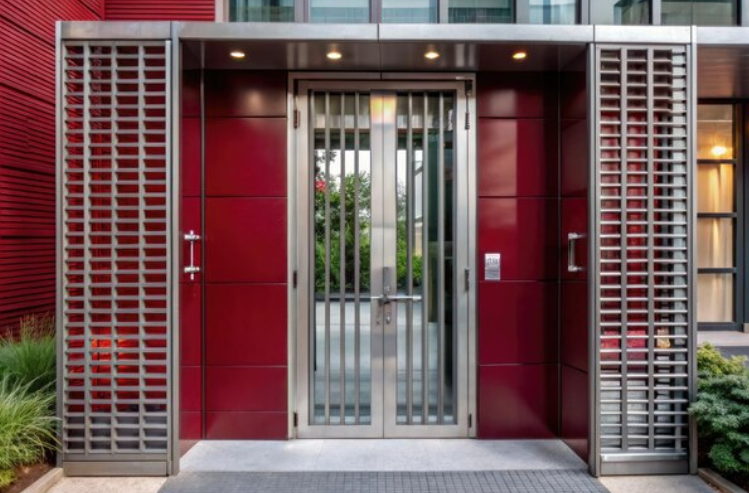
The front door sets the tone for a home before anyone steps inside. Clean lines, bold proportions, and strong materials have become defining features of contemporary residential design, making modern steel front doors a natural choice for homeowners who want an entrance that feels substantial without looking dated. Native Doors offers door designs that combine architectural character with practical features suited to modern homes.
A Strong First Impression Starts at the Entrance
A front door occupies a relatively small part of a home’s exterior, yet it can influence the entire facade. Steel doors have a distinctive visual presence because of their slim profiles, crisp edges, and ability to support large glass panels or minimalist hardware.
For homes featuring concrete, brick, stucco, wood, or natural stone, steel can create an attractive contrast. A dark steel frame against a light exterior, for example, adds definition without requiring excessive decoration.
The result is an entrance that looks intentional rather than overly ornate.
Why Steel Fits Modern Architecture So Well
Modern architecture often relies on simplicity. Instead of elaborate trim and decorative details, designers use proportion, texture, natural light, and carefully selected materials to create visual interest.
Steel works particularly well within this style because it can be formed into precise profiles and narrow frames. Large glass sections can also be incorporated into the design, allowing daylight to reach the entry area while maintaining a strong architectural appearance.
Common design features include:
- Slim metal frames
- Large glass panels
- Simple rectangular shapes
- Matte or textured finishes
- Minimal hardware
- Oversized door configurations
- Dark neutral colors
These elements can work together without making the entrance appear busy.
Durability Matters at the Front of the Home
A front door faces constant exposure to daily use, changing weather, sunlight, moisture, and temperature fluctuations. Material selection therefore matters as much as appearance.
Steel is valued for its strength and structural stability. A properly constructed and finished steel door can provide a solid barrier at the main entrance and withstand regular use for years with appropriate care.
The quality of the finish also deserves attention. Protective coatings help the surface resist environmental exposure, while proper installation helps maintain alignment and operation over time.
For homeowners investing in a new entry system, the frame, hinges, locking hardware, glass, finish, and installation should be considered as one complete assembly rather than separate features.
Natural Light Without Losing Privacy
Glass has become a familiar feature in contemporary entryway design. It can make a narrow entrance feel larger and bring natural light into an otherwise dark hallway.
Steel-and-glass doors offer several options for balancing openness with privacy. Clear glass can create a bright connection between the entryway and exterior, while frosted, textured, tinted, or privacy glass can soften visibility.
The amount and placement of glass can also affect the character of the door. A narrow vertical panel creates a different look from a full-height glass section, even when both use the same steel frame.
Homeowners can therefore choose a configuration that suits the layout and privacy requirements of the property.
A Range of Styles Beyond Plain Black
Black is strongly associated with contemporary steel doors, but it is not the only option. Depending on the manufacturer and finishing process, steel doors may be available in several neutral shades, textured finishes, and custom treatments.
A charcoal finish can provide a softer alternative to deep black. Bronze and earthy tones can work well with warm wood siding or stone. A textured finish can introduce subtle variation without compromising the clean appearance of the door.
Hardware offers another opportunity for personalization. Long vertical pulls, discreet lever handles, and minimalist locking systems can reinforce the architectural style.
The goal is not to add more decoration. It is to select details that support the home’s existing design.
Security Is Part of the Appeal
The entrance is one of the most important access points in a home, so security naturally influences door selection. Steel provides a strong material foundation, while quality locks, hinges, frames, and properly fitted hardware contribute to the overall performance of the entry system.
A well-designed door should also operate smoothly. Strength alone does not make a good entrance. The door needs to open, close, latch, and lock reliably as part of everyday household use.
For this reason, homeowners should consider the complete door assembly rather than focusing only on the material.
Steel Can Complement Different Home Styles
Although steel doors are strongly associated with contemporary architecture, their clean appearance allows them to work across several residential styles.
A steel-and-glass entrance can complement a minimalist home with concrete and expansive windows. The same material can add contrast to a traditional brick exterior or provide a sharper edge to a home dominated by natural wood.
This versatility makes steel useful during exterior renovations, particularly when an existing home needs a more defined architectural feature without replacing the entire facade.
Maintenance Is Relatively Straightforward
Like any exterior feature, a steel door benefits from regular care. Dust and surface debris can be removed with suitable cleaning products, while hardware should be checked periodically to ensure everything remains properly aligned and functional.
The finish should also be inspected for scratches, chips, or signs of deterioration. Addressing small issues early can help protect the underlying material and preserve the appearance of the entry.
Following the manufacturer’s care recommendations is especially useful because finishes, glass, coatings, and hardware can have different maintenance requirements.
See also: Business Dissolution Lawyer: Understanding the Process of Closing Your Business Properly
The Door Should Match the Architecture
A striking front door works best when it belongs to the overall design of the home. Proportion is particularly important. A very large door may dominate a modest facade, while a narrow entrance can sometimes benefit from a taller or more visually open configuration.
Consider the surrounding windows, exterior materials, rooflines, landscaping, and lighting before selecting the final design. Hardware and finish should also relate to other exterior details.
Native Doors can be considered as part of that design process, particularly for homeowners who want a steel entrance that feels connected to the architecture rather than added as an afterthought.
A Lasting Choice for Contemporary Homes
Steel has earned its place in modern residential design because it brings together several qualities homeowners value: structural strength, clean aesthetics, design flexibility, and compatibility with glass.
The right front door does more than provide access. It establishes a visual connection between the street and the interior, introduces natural light, supports security, and contributes to the home’s architectural identity.
For homeowners planning an entryway upgrade, taking time to compare frame profiles, glass options, finishes, hardware, proportions, and installation details can make the final result far more cohesive. Contact us today to discuss door options that suit your home’s architecture and create an entrance with lasting visual appeal.


 By