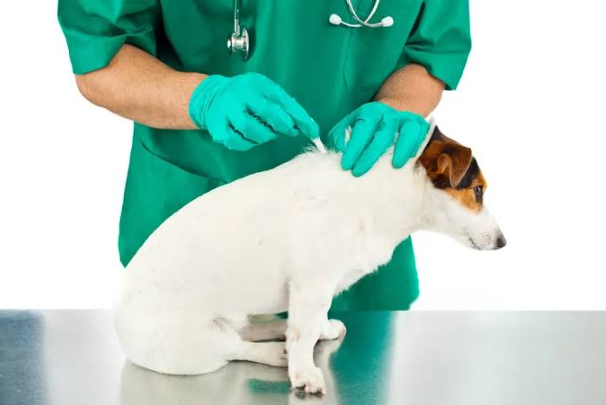
You noticed the spot weeks ago, or maybe it seemed to appear overnight. A patch of skin changed color, a lump got bigger, the itching would not stop, or a sore kept coming back after creams, shampoos, and antibiotics. Then your veterinarian at Hill Creek Veterinary Hospital in Pittsboro, NC said your pet may need a biopsy, and that single word can make your stomach drop. You hear “sample” and start thinking about pain, anesthesia, cost, and the possibility of bad news.
A skin biopsy at a small animal veterinary hospital is usually a focused, common diagnostic step used to find out what a skin problem actually is. It helps when a skin disease does not respond as expected, when a mass needs to be identified, or when the skin looks unusual enough that guessing is no longer helpful. The goal is clarity. Your veterinarian removes a small piece of tissue, sends it to a lab, and uses the pathologist’s report to guide treatment with more confidence.
Pet skin biopsy testing gives answers when symptoms stay vague
Skin problems can look alike on the surface. Allergies, infections, autoimmune disease, cysts, benign growths, and cancer can all cause redness, crusting, hair loss, swelling, or sores. That is where people get stuck. You may already have tried changes at home, prescription medication, or repeat visits, and your pet is still scratching or licking the same area raw.
The hard part is that skin disease often moves in circles when the cause is unclear. A lesion shrinks, then comes back. One patch improves while another appears. A mass feels harmless until it changes shape or starts bleeding. Biopsy breaks that cycle because it looks at the tissue itself, not just the surface signs.
At the hospital, your veterinarian first decides whether the sample can be taken with local numbing, light sedation, or full anesthesia. That choice depends on the site, the size of the sample, and your pet’s comfort. A calm dog with a small lesion on the side may need very little. A cat with a painful lesion near the face may need more support so the sample is clean and the experience is safer.
The sample may be collected with a punch tool, which removes a small round piece of skin, or by wedge or excisional biopsy, which removes part or all of a lesion. The tissue is preserved and sent to a diagnostic lab for review by a veterinary pathologist. Texas A&M shares useful skin biopsy best practices that show why site selection and handling matter so much.
A veterinary skin sample can feel scary, but the procedure is usually brief
The fear often comes from not knowing what your pet will go through. In most cases, the procedure is short. Fur is clipped. The skin is cleaned. The veterinarian takes one or more small samples, then closes the site if needed with sutures or leaves it to heal based on the technique used. Pets usually go home the same day unless there is a larger mass removal or another medical issue that needs monitoring.
Afterward, the area may look sore for a few days. Your pet may need an e collar, activity limits, and medication for pain or infection prevention. That part matters more than many people expect. A biopsy site can heal well and still be ruined by one determined paw or a few minutes of licking.
Results are not always instant. The pathologist studies the tissue architecture under a microscope, which takes more time than a basic skin scrape or cytology. Cornell’s dermatopathology guidance explains how labs interpret these samples and why history, lesion description, and good sample quality affect the final report. You can review that process here: dermatopathology testing protocols and interpretations.
Sometimes the report gives a firm diagnosis right away. Sometimes it narrows the list and points to the next step, such as culture, surgery, allergy management, or oncology care. Even when the answer is not simple, a biopsy often rules out the most serious possibilities and stops wasted time on treatments that were never going to work.
Biopsy, watchful waiting, and surface testing are not equal options
| Approach | What it can show | Limits | Best use |
|---|---|---|---|
| Skin scrape or cytology | Parasites, yeast, bacteria, inflammatory cells | Does not show deeper tissue structure | First step for itching, infection, ear and skin debris |
| Watchful waiting | Whether a spot changes over time | Delays diagnosis if the lesion is aggressive or painful | Very small, stable lesions under veterinary guidance |
| Skin biopsy procedure for pets | Tissue architecture, tumor type, autoimmune patterns, deeper disease | Needs sampling, lab review, healing time, and added cost | Nonhealing lesions, unusual rashes, masses, recurring sores |
There is also a quality issue that pet owners rarely see. The best lab in the world cannot fully rescue a poor sample. The University of Georgia outlines sample collection and submission recommendations that show how details like lesion choice, tissue size, and transport affect the answer. That guidance is here: sample collection and submission recommendations.
The next steps are easier when you know what to ask
Ask why biopsy is being recommended now. You want the reasoning in plain language. Is the lesion changing quickly, resisting treatment, suspicious for cancer, or showing a pattern that only tissue can confirm? That helps you weigh urgency and understand whether this is routine troubleshooting or a higher concern.
Get clear on the procedure and recovery plan. Ask if your pet needs sedation or anesthesia, how many samples will be taken, whether stitches are likely, when normal activity can resume, and what signs of trouble to watch for at home. This is where a lot of stress drops, because vague fear gets replaced by a real plan.
Prepare for results and follow up. Ask when the report is expected and what the next decision points are. If the pathology shows inflammation, treatment may shift to immune control or allergy work. If it shows a mass, your veterinarian may recommend surgery margins, imaging, or referral. A pet skin biopsy at a veterinary hospital is not the end of the process. It is the point where treatment starts making more sense.
Clear answers can bring relief even when the news is hard
Waiting for a diagnosis is exhausting, especially when your pet is uncomfortable and you are trying not to imagine every possibility. A biopsy does not create the problem. It identifies it. That alone can bring relief, because uncertainty is often the hardest part. When your veterinarian recommends a veterinary skin biopsy, the goal is to stop guessing and protect your pet with better information.
If your pet has a skin lesion, mass, or sore that is not healing, schedule an exam with a small animal veterinary hospital and ask whether a biopsy is the right next step.


 By