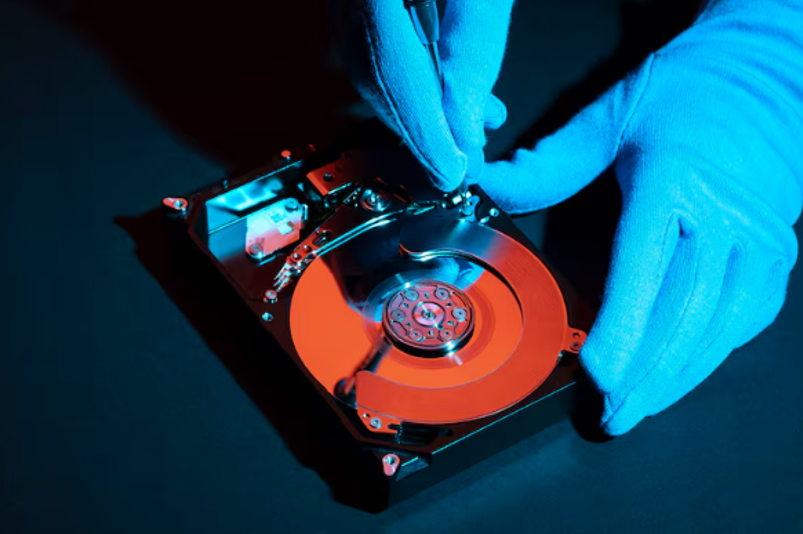
In the digital age, data is one of the most valuable assets a business possesses. From customer information to financial records and proprietary data, organisations rely heavily on secure data storage systems. However, when storage devices reach the end of their lifecycle, simply discarding them can pose serious risks. This is where a professional hard disk disposal service becomes essential, ensuring that sensitive data is permanently destroyed while maintaining compliance and environmental responsibility.
Understanding Hard Disk Disposal
Hard disk disposal refers to the secure and permanent destruction or sanitisation of data stored on hard drives and other storage devices. It is a critical component of data lifecycle management, particularly for businesses handling confidential information.
Proper disposal ensures that:
- Data cannot be recovered or misused
- Storage devices are handled in a secure manner
- Environmental regulations are followed
- Businesses remain compliant with data protection laws
Without certified disposal methods, even deleted files can be recovered using specialised tools, making improper disposal a significant security risk.
Why Certified Disposal Services Are Important
Certified hard disk disposal services follow strict industry standards and protocols to guarantee complete data destruction. These services provide businesses with the assurance that their data is handled securely at every stage.
Key reasons to use certified services include:
- Protection against data breaches and cyber threats
- Compliance with regulatory requirements
- Assurance of complete and irreversible data destruction
- Availability of documentation for audits and legal purposes
- Reduced risk of reputational damage
Choosing certified professionals ensures that no sensitive information is left exposed.
Risks of Improper Hard Disk Disposal
Improper disposal of storage devices can have serious consequences for businesses.
- Data Breaches: Sensitive information may fall into the wrong hands
- Legal Penalties: Non-compliance with data protection regulations can result in fines
- Reputational Damage: Loss of customer trust can impact long-term success
- Financial Losses: Data breaches can lead to costly recovery efforts
- Environmental Harm: Incorrect disposal can contribute to electronic waste pollution
These risks highlight the importance of secure and certified disposal practices.
Methods Used in Hard Disk Disposal
Professional disposal services use a variety of methods depending on the level of security required.
Data Wiping
- Overwrites existing data multiple times
- Ensures data cannot be recovered
- Suitable for reusable drives
Degaussing
- Uses strong magnetic fields to erase data
- Disrupts the magnetic structure of the disk
- Renders the drive unusable
Physical Destruction
- Shredding, crushing, or drilling of hard drives
- Completely destroys internal components
- Ensures data is permanently inaccessible
Combination Methods
- Combines data wiping with physical destruction
- Provides maximum security for highly sensitive data
- Meets strict compliance standards
Each method is selected based on the sensitivity of the data and business requirements.
Key Features of Certified Hard Disk Disposal Services
Certified services offer a range of features designed to ensure security and compliance.
Secure Collection and Transportation
- Safe handling of storage devices
- Chain-of-custody tracking
- Protection against unauthorised access during transit
On-Site and Off-Site Disposal Options
- On-site destruction for immediate security
- Off-site processing in controlled facilities
- Flexibility based on business needs
Certification and Documentation
- Certificates of data destruction
- Detailed reports for audit purposes
- Proof of compliance with regulations
Environmental Responsibility
- Recycling of materials where possible
- Safe disposal of hazardous components
- Compliance with environmental standards
Benefits for Businesses
Using certified hard disk disposal services provides several advantages for organisations.
Enhanced Data Security
- Eliminates risk of data recovery
- Protects confidential business information
- Ensures secure handling of sensitive data
Regulatory Compliance
- Meets data protection and privacy laws
- Avoids legal penalties
- Supports audit and compliance requirements
Operational Efficiency
- Saves time and resources
- Streamlines disposal processes
- Allows focus on core business activities
Environmental Sustainability
- Reduces electronic waste
- Promotes responsible recycling
- Supports corporate sustainability initiatives
Best Practices for Hard Disk Disposal
To ensure effective and secure disposal, businesses should follow best practices.
Maintain an Asset Inventory
- Track all storage devices
- Identify devices ready for disposal
- Update records regularly
Implement Data Destruction Policies
- Define clear procedures for disposal
- Establish security protocols
- Ensure consistency across departments
Choose Certified Providers
- Verify credentials and certifications
- Ensure compliance with industry standards
- Request documentation for all disposal activities
Train Employees
- Educate staff on data security risks
- Promote proper handling of storage devices
- Encourage adherence to policies
Conduct Regular Audits
- Review disposal processes
- Identify areas for improvement
- Ensure ongoing compliance
Challenges in Hard Disk Disposal
Despite its importance, businesses often face challenges in managing hard disk disposal.
- Large volumes of outdated storage devices
- Ensuring complete data destruction
- Managing logistics and transportation
- Keeping up with regulatory changes
- Balancing cost with security
Professional services help address these challenges with expertise and structured processes.
Role of Technology in Data Destruction
Advancements in technology have improved the efficiency and reliability of hard disk disposal.
Automated Data Erasure Tools
- Ensure consistent and secure data wiping
- Provide verification reports
- Reduce manual errors
Advanced Shredding Equipment
- Handle large volumes of drives
- Ensure complete physical destruction
- Improve processing efficiency
Tracking and Reporting Systems
- Monitor the chain of custody
- Provide real-time updates
- Support compliance and audits
These technologies enhance both security and efficiency in disposal processes.
See also: Compounded Semaglutide: What a Fitness-Minded Adult Actually Needs to Know
Future Trends in Hard Disk Disposal
The field of data destruction continues to evolve as businesses face new challenges and regulations.
- Increased focus on data privacy and cybersecurity
- Adoption of stricter compliance standards
- Integration of automation and AI technologies
- Greater emphasis on sustainability and recycling
- Expansion of secure disposal services globally
Staying updated with these trends helps businesses maintain effective data security strategies.
Conclusion
Certified hard disk disposal services are a vital component of business data security. By ensuring the complete and irreversible destruction of sensitive information, these services protect organisations from data breaches, legal risks, and reputational damage.
With growing regulatory demands and increasing data volumes, businesses must prioritise secure disposal as part of their IT management strategy. By adopting best practices and partnering with certified professionals, organisations can safeguard their data while supporting environmental sustainability and operational efficiency.


 By
By