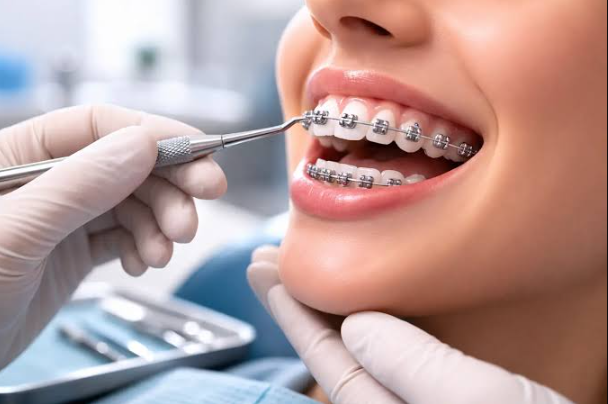
You finally have travel plans on the calendar, and instead of feeling only excited, part of your brain is stuck on your teeth. That reaction makes sense. Orthodontic treatment works because of steady pressure, regular wear, and timely check ins. If you are using clear aligners in Festus, MO, extended travel can throw all of that off, especially if you are juggling flights, different time zones, hotel rooms, and a routine that no longer feels automatic.
The good news is that a long trip does not have to undo your progress. Most setbacks happen for simple reasons. Aligners get left out during meals that turn into long outings. Rubber bands get skipped because the packet is in a checked bag. A poking wire gets ignored until it turns into a sore spot. If you plan before you leave and stay consistent while you are away, your treatment can keep moving. 6 ways to keep orthodontic treatment progressing during extended travel comes down to preparation, wear time, hygiene, communication, and knowing when a small issue needs real help.
Travel disrupts orthodontic routines faster than most people expect
You may already know what your orthodontist wants from you. Wear the aligners as directed. Keep braces clean. Change trays on schedule. Use elastics exactly as prescribed. The problem is not understanding the instructions. The problem is that travel breaks habits that usually run on autopilot.
A delayed flight can mean sleeping in your aligners after a rushed airport meal without brushing first. A road trip can mean sticky snacks at every gas stop. A two week vacation can turn a tray change into a guessing game if you forgot which set to pack next. For people with braces, one loose bracket or a wire that starts rubbing can become miserable when you are far from home.
The FDA’s overview of traditional braces and clear aligner options is a good reminder that every system depends on following the treatment plan as directed. Travel does not change that. It only makes consistency harder.
See also: Preparing for Life’s Milestones With a Clear Financial Strategy
Pack for orthodontic treatment like it is part of your travel documents
If your passport, charger, and medication have a place in your bag, your orthodontic supplies need one too. Put together a kit before the trip and keep it in your carry on or personal bag. Include your current aligners, the next set if you are due to switch, your previous set as a backup, elastics, wax, a travel toothbrush, toothpaste, floss or floss picks, a small mirror, and your case.
People with braces should add interdental brushes and any cleaning tools they use at home. If a bracket comes loose or a wire starts poking, orthodontic wax can buy you time and comfort. If you wear clear aligners, never wrap them in a napkin at a restaurant. That is how they end up in the trash.
This is one of the simplest forms of travel tips for orthodontic patients, and it prevents the kind of avoidable problems that can stall treatment for days.
Wear time and tray changes matter more during long trips
Extended travel often leads people to get casual with wear time. A long dinner becomes a night out, then the aligners stay out for hours. That one slip can become a pattern. If you use clear aligners, protect your daily wear time as if it is part of the treatment itself, because it is. Set alarms on your phone if your schedule is shifting. Keep your case where you can reach it fast. Put aligners back in as soon as you finish eating.
If you are due to move to a new tray while traveling, ask your orthodontist before you leave whether the switch should happen on the road or after you return. Some people do fine changing trays away from home. Others benefit from waiting if they have a history of tight fits or tracking issues. That one conversation can save you from forcing a tray that does not seat correctly in a hotel room with no support.
Clean teeth and appliances consistently, even when the day gets messy
Travel tends to bring more snacking, less structure, and fewer chances to brush right away. That can lead to plaque buildup, bad breath, gum irritation, and staining around brackets. It also raises the chance that aligners trap food debris against your teeth for hours.
Do what is realistic and repeatable. Brush after meals when you can. Rinse with water when you cannot. Clean aligners gently and regularly. With braces, take the extra minute to check around brackets and wires before bed. Harvard School of Dental Medicine’s post procedure dental care instructions reinforce the same basic idea. Daily care prevents bigger problems later.
| Travel Situation | Low Risk Response | Higher Risk Choice | Likely Effect on Treatment |
|---|---|---|---|
| Airport meal with aligners | Remove aligners, store in case, rinse mouth, reinsert soon after eating | Wrap aligners in a napkin or leave them out for hours | Lost trays or reduced wear time can delay progress |
| Poking wire with braces | Use orthodontic wax and contact your office for guidance | Ignore irritation until tissue becomes sore | Discomfort increases and eating or cleaning gets harder |
| Scheduled tray change during trip | Confirm timing with your orthodontist before departure | Change trays without guidance when fit is questionable | Poor tracking may require extra time in a tray |
| Long sightseeing day | Carry a small care kit and set reminders | Assume you will remember later | Missed elastics or wear time can slow tooth movement |
Communication with your orthodontist prevents small issues from growing
People often wait too long to reach out because they do not want to bother the office over something minor. That instinct can work against you. A loose bracket, cracked aligner, missing attachment, or tray that suddenly stops fitting is easier to manage when you ask early. Many offices can give quick guidance, adjust your schedule, or tell you whether to stay in your current tray longer.
This is one of the most useful parts of keeping braces or aligners on track while traveling. You do not need to solve every problem alone. A short message with a clear photo can help your orthodontist decide what can wait and what needs attention right away.
Three steps that protect your progress right now
Build a travel kit tonight. Pack every item you use for your orthodontic treatment in one pouch and put it in your carry on. Include backups for anything small and easy to lose.
Ask for a travel plan before you leave. Confirm tray changes, elastic use, what to do if something breaks, and whether you should bring extra supplies. Save your orthodontist’s contact details where you can find them fast.
Use reminders instead of memory. Set alarms for aligner wear, tray changes, and brushing at night. Travel drains attention, and systems work better than good intentions.
Steady habits keep orthodontic treatment moving
Travel does not have to pause your progress. A few smart habits can keep your orthodontic treatment moving even when your schedule is all over the place. Pack like you expect real life to happen, stay consistent with wear and cleaning, and speak up early if something feels off. That is usually enough to avoid the setbacks people worry about most.
If you have an upcoming trip, contact your orthodontist before you leave and get a clear plan in place. A little preparation now is often what keeps treatment on schedule later.


 By