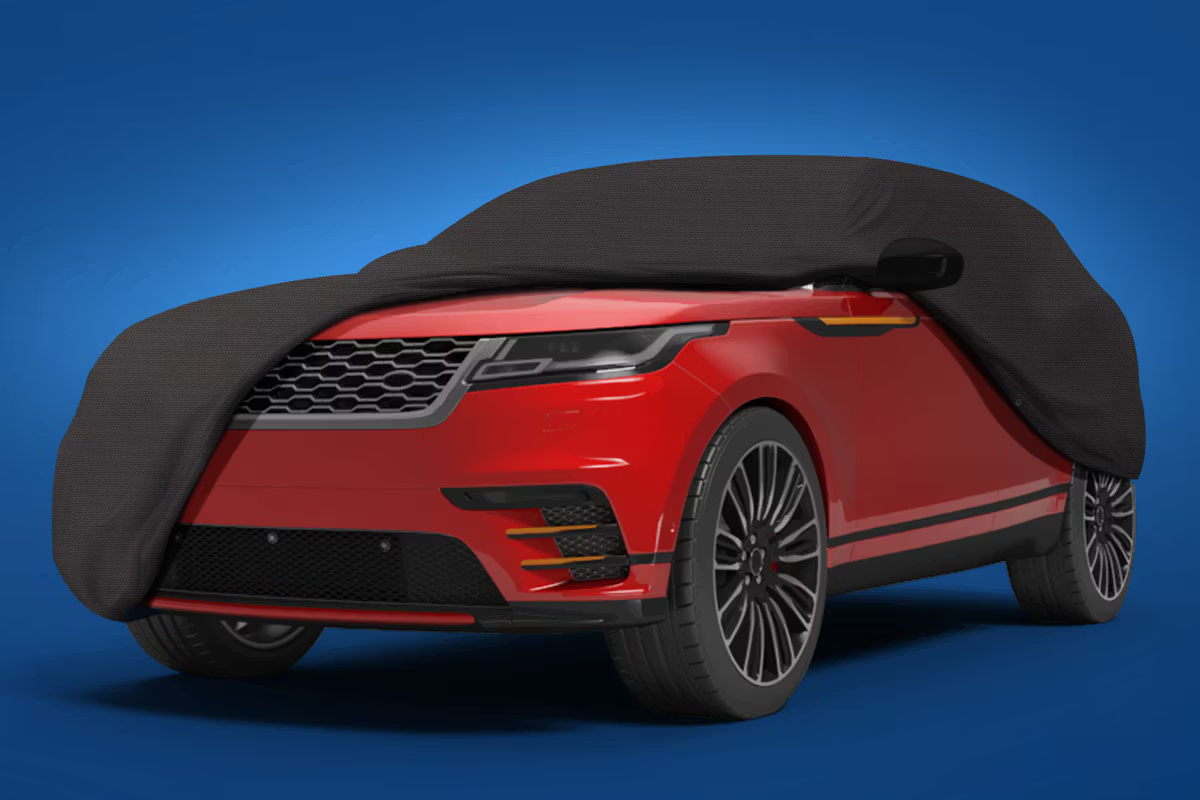
A clean and well-kept car says a lot about its owner, but keeping a vehicle looking fresh is not always easy. Every time a car is left outside, its exterior is exposed to dust, sunlight, rain, leaves, pollution, and other elements that can gradually make maintenance more difficult. Car covers can provide a simple solution by placing a protective layer between the vehicle and its surroundings. Instead of allowing dust and outdoor debris to settle directly on the paintwork, a suitable cover helps shield the exterior whenever the car is parked.
For many drivers, vehicle protection is usually associated with washing, polishing, or detailing. Yet what happens while the car is sitting unused matters too. A good covering routine can complement regular cleaning and make everyday vehicle care more manageable.
The Hidden Side of Parking
Most people think about vehicle protection while driving. They consider road conditions, traffic, weather, and safe parking. However, a car can spend much more time parked than it does on the road.
During those hours, the exterior remains exposed.
Dust can settle across the bonnet and roof. Leaves may gather around the vehicle. Tree sap can land on the surface, while birds can leave marks that become increasingly difficult to clean if ignored.
Direct sunlight is another everyday concern. A vehicle that remains parked under strong sunlight for long periods experiences repeated exposure to heat and ultraviolet rays.
A cover does not eliminate the need for cleaning, but it can reduce direct exposure and help keep unwanted material away from the vehicle.
A Small Habit with Practical Benefits
Using a vehicle cover does not have to be complicated. Once it becomes part of the parking routine, covering a car can take only a short amount of time.
The real benefit comes from consistency.
A vehicle that is covered regularly can spend less time directly exposed to outdoor contaminants. This can make the cleaning process easier because there may be less loose dirt and debris sitting directly on the exterior between washes.
When a Cover Makes Sense
A protective cover can be particularly useful in situations such as:
- Leaving a car outside overnight.
- Parking beneath trees.
- Keeping a vehicle in a dusty area.
- Storing a car that is not driven regularly.
- Protecting a vehicle during periods of inactivity.
- Reducing direct exposure to outdoor conditions.
The best results come from matching the cover to the situation rather than treating every vehicle and parking location in the same way.
What Makes a Cover Useful?
Not every cover serves the same purpose. The most suitable choice depends on the vehicle, its surroundings, and how frequently the cover will be used.
Fit is one of the first things to consider. A cover should provide broad protection without being unnecessarily loose. A poor fit can make installation frustrating and may allow sections of the vehicle to remain exposed.
The material also matters. A vehicle kept outdoors may need different protection from one stored inside a garage.
Start with the Vehicle
Before shopping, consider the basic characteristics of your car.
Think about its:
- Body style
- Overall dimensions
- Parking location
- Frequency of use
- Indoor or outdoor storage
- Exposure to weather and dust
This information can make the selection process much easier.
When browsing car covers online, it is tempting to focus on photographs and price first. However, specifications and compatibility are much more important for finding a practical solution.
Shopping from Home
Online shopping has changed the way vehicle accessories are purchased. Instead of visiting several stores, drivers can explore different options from their computer or phone.
Car covers online can be compared according to size, material, design, and intended use. This gives buyers the opportunity to think about their requirements before placing an order.
However, convenience should not lead to rushed decisions.
Read Before Buying
A product description can provide useful information about how a cover is intended to be used. Pay attention to details such as compatibility, dimensions, construction, and care instructions.
It is also worth considering how the cover will be handled in everyday life.
A product that is difficult to remove, fold, or store may become inconvenient if it needs to be used every day. On the other hand, someone covering a vehicle only occasionally may have different priorities.
Protection Starts with Good Fit
Imagine putting a cover on a vehicle only to discover that large sections are exposed or the material moves around whenever there is wind. The cover may technically be present, but it is not providing the kind of practical protection the owner expected.
That is why fit deserves attention.
A cover should follow the general shape of the vehicle and provide useful coverage across the major exterior surfaces. It should also be manageable enough for the owner to install and remove without unnecessary effort.
Why Size Matters
Different vehicles require different dimensions. A compact car, large sedan, SUV, and crossover do not have identical proportions.
Choosing according to the actual vehicle helps avoid common fitting problems.
A well-matched cover can also make the overall experience more convenient. When installation is straightforward, owners are more likely to use it consistently.
See also: Business Dissolution Lawyer: Understanding the Process of Closing Your Business Properly
Consider Where You Park
Your parking location can tell you a lot about the type of protection you need.
A garage provides some natural protection from direct weather, although dust can still settle on the vehicle. An open driveway presents a different challenge because the car may be exposed to sunlight, rain, wind, leaves, and airborne particles.
Street parking can introduce additional exposure to dust and pollution.
Outdoor Challenges
If a car spends most of its time outside, environmental conditions should be an important part of the selection process.
Consider:
- The amount of direct sunlight.
- Frequency of rainfall.
- Dust levels in the area.
- Nearby trees and vegetation.
- Wind conditions.
- Length of time the vehicle remains parked.
These details help determine what type of cover is likely to be most useful.
Make It Part of Car Care
A cover works best when it is treated as one part of a wider maintenance routine.
Regular washing is still important. So is removing contaminants when they appear and keeping the vehicle’s exterior in good condition.
The cover simply adds another layer of protection during the periods when the vehicle is not being driven.
Keep Both Surfaces Clean
It is easy to focus entirely on the car and forget about the cover itself. However, a cover can collect dust and debris too.
Before putting it away, check whether it needs cleaning according to the manufacturer’s instructions. Similarly, avoid placing a dirty cover directly onto a freshly cleaned vehicle whenever possible.
Simple habits can make a difference:
- Remove loose dirt before covering the vehicle.
- Avoid dragging the cover unnecessarily.
- Follow the recommended cleaning method.
- Allow appropriate drying before storage.
- Check straps and fastening areas regularly.
- Store the cover properly when not in use.
These steps help keep the covering routine practical.
Why Quality Is Worth Considering
Price is naturally part of any purchasing decision, but the cheapest option is not always the most practical one.
A cover that fits poorly or is difficult to handle may become frustrating. If it is rarely used because installation takes too much effort, its protective purpose is weakened.
This is why construction, usability, fit, and intended application should be considered alongside price.
Coverlelo car covers can be evaluated from this practical perspective. The goal should be to find a cover that fits the vehicle and works naturally with the owner’s parking habits.
When Your Car Sits for Longer
Not every vehicle is driven every day. Some cars are used mainly on weekends, while others may remain parked during travel, work commitments, or seasonal periods.
Extended parking creates a different maintenance situation.
A stationary vehicle can continue collecting dust and debris even though it is not being used. Covering it during these periods can help reduce direct exposure and make the vehicle easier to prepare when it is needed again.
Storage Made Easier
For longer periods of inactivity, preparation matters.
The vehicle should be clean and appropriately prepared before being covered. The cover should also be suitable for the environment where the vehicle will remain parked.
This simple approach can make returning to an unused vehicle much easier.
A Smarter Way to Protect Your Vehicle
Vehicle protection does not have to involve complicated routines or expensive maintenance. Often, the most useful improvements are simple habits that are easy to repeat.
A suitable cover can help reduce the amount of direct environmental exposure a parked vehicle receives. It can also complement washing, detailing, and other forms of exterior care.
For anyone considering car covers online, the best starting point is not simply asking which product looks attractive. Ask what your vehicle encounters every day, where it is parked, how frequently you will use the cover, and what type of protection makes the most sense.
Coverlelo car covers can be considered as part of that practical approach to vehicle care. With the right fit, suitable material, and consistent use, a car cover can become more than an accessory. It can be a simple everyday habit that helps you take better care of your vehicle for the long run.


 By