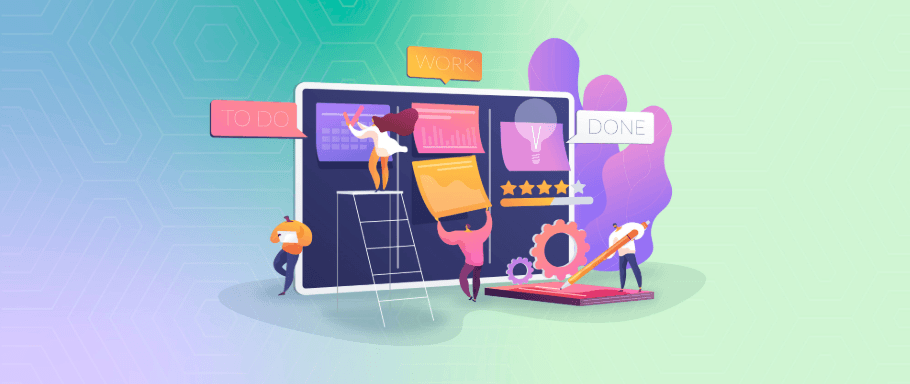
Creative studios that blend design, animation, photography, and interactive media face a unique challenge: harmonizing artistic freedom with repeatable, efficient processes. A successful digital studio environment balances creative exploration with systems that prevent chaos, reduce rework, and keep projects on schedule. This article outlines practical strategies for structuring workflows, choosing tools that support creative needs, and cultivating a culture that honors both craft and delivery.
Defining a Flexible Workflow Framework
The first step in managing creative workflows is to define a framework that supports iteration. Rather than prescribing one rigid path, a strong framework provides checkpoints where work can be reviewed, assets can be validated, and technical requirements can be enforced without stifling experimentation. Begin by mapping the typical project lifecycle from concept to delivery, then identify where decision gates are necessary: concept approval, prototyping, asset freeze, and final quality assurance. Use those gates to allocate time for exploratory work, but keep firm deadlines so exploration doesn’t extend indefinitely. Documentation of the framework should be concise, visual, and accessible so team members can refer to it quickly during fast-moving sprints.
Tool Selection and Integration
Choosing the right set of tools is crucial. Teams should prioritize solutions that integrate well with existing pipelines and reduce the need for manual file conversions or data re-entry. Centralized asset repositories, task management systems, and communication platforms should speak to one another through APIs or supported connectors. Many studios find value in combining creative suites with project tracking and cloud-based storage that supports live collaboration. For studios that rely on graphics, animation, or mixed media, a core tool can be enhanced by specialized plugins and automation scripts that handle repetitive tasks. Where appropriate, teams invest in a dedicated management layer to orchestrate renders, exports, and file dependencies. For example, smaller teams might adopt a single consolidated package to handle most needs, while larger teams deploy modular stacks tuned to each discipline. Strategic tool selection reduces friction, speeds iteration, and protects creative momentum.
Collaboration and Communication Practices
A culture of clear communication prevents duplicated effort and lost context. Daily standups or focused check-ins help keep everyone aligned, but the most effective studios supplement synchronous meetings with smart asynchronous communication. Use threads tied to specific assets, tasks, or milestones so decisions are archived with context. Encourage designers and technical leads to add brief rationale notes when they change assets, explaining why an update was necessary and how it affects downstream work. Establishing a single source of truth for current files helps everyone avoid working on outdated versions. Peer reviews should be structured around specific criteria and include technical as well as aesthetic feedback so revisions are actionable. When external clients are involved, create review packages that focus their attention on key deliverables rather than overwhelming them with every intermediate file.
Asset Management and Version Control
Robust asset management is the backbone of any digital studio. Implementing predictable naming conventions, folder structures, and versioning protocols prevents confusion and enables rapid retrieval. Automated version control systems help teams track changes and revert when experiments don’t pan out. Beyond technical versioning, consider tagging assets with metadata that captures usage rights, dimensions, color profiles, and intended platform. This minimizes errors at the handoff stage and reduces time spent on reformatting assets for different outputs. For motion and interactive projects, maintain clear records of dependencies such as fonts, libraries, and plugins so builds remain reproducible across workstations and over time.
Managing Creative Review Cycles
Review cycles must be efficient to preserve creative energy. Define the purpose of each review: is it to validate concept direction, polish interactions, or finalize color grading? Tailor the attendee list so only stakeholders who can provide meaningful input are included. Timebox reviews to prevent micro-optimization that delays progress. Use visual annotation tools that let reviewers mark specific frames or regions and attach comments. When feedback is consolidated into a single annotated document or task list, artists can prioritize changes without cycling through conflicting requests. Encourage reviewers to state one or two primary goals for a session so artists have clear priorities during revisions.
Scaling, Automation, and Repeatability
As studios grow, processes that once were manageable become bottlenecks. Identify repetitive tasks that can be automated, such as export routines, file conversions, or build pipelines. Automation reduces mundane labor and frees creative staff to focus on higher-value work. Templates play a crucial role in scaling: create production-ready templates for common deliverables, such as social clips, still composites, or interactive prototypes. Templates preserve brand consistency and speed delivery while still allowing for bespoke touches. When scaling teams, invest in onboarding documentation and mentorship so new contributors understand the studio’s standards and tooling quickly.
Nurturing Creative Health
Process alone won’t sustain long-term creative output. Protect time for experimentation and professional development to keep team members engaged and evolving. Rotate responsibilities when feasible so individuals can grow their skill sets without sacrificing quality. Recognize that creative fatigue reduces productivity and increases error rates; schedule realistic deadlines and build buffer time into plans for unforeseen obstacles. Celebrate milestones and small wins to maintain morale, and foster an environment where constructive criticism is seen as a tool for shared improvement rather than personal critique.
Balancing Innovation and Delivery
The best digital studios find equilibrium between pushing boundaries and delivering consistent work. Encourage prototyping phases where new techniques or visual languages can be trialed, but require that prototypes be evaluated against feasibility and impact before being incorporated into production. Maintain a roadmap for technical debt where non-critical improvements can be scheduled into future sprints, preventing the accumulation of work that undermines quality. By treating innovation as a measurable element of the workflow rather than an ad hoc activity, studios can evolve their aesthetics and capabilities while maintaining reliable output.
Sustaining Systems Over Time
Processes and tools must be revisited periodically. Schedule retrospectives that focus on workflow effectiveness and toolchain performance. Capture lessons learned and translate them into small, actionable changes. Continuous improvement protects the studio from stagnation and prevents workflows from ossifying into outdated habits. Documenting decisions and maintaining accessible knowledge bases ensures institutional memory survives staff turnover and project transitions.
Every studio’s path will be unique, but the common thread is careful orchestration: deliberate frameworks, integrated tools, clear communication, and respect for the creative process. When these elements are aligned, creative teams can deliver ambitious work predictably and with room to experiment. Thoughtful management of workflows allows artists to concentrate on what they do best—bringing ideas to life—while the studio runs smoothly behind the scenes. Teams often centralize operations by adopting a core platform; some choose to standardize on art studio software to unify assets and coordinate tasks across disciplines.


 By
 By