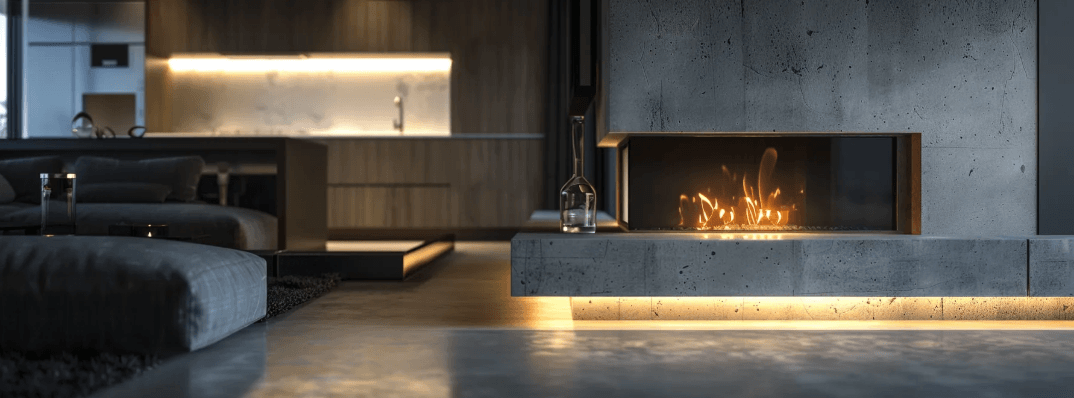
Deciding between a Cement Look Fireplace and a Traditional Brick Fireplace can significantly impact the ambiance and style of your home. Both options provide unique benefits and challenges that cater to different interior design preferences. This article will explore the modern appeal of cement-look fireplaces, the classic allure of brick fireplaces, and essential considerations like durability and maintenance. Discover which style aligns best with your home décor and lifestyle needs.
Cement Look Fireplace: A Modern Aesthetic Choice
The Cement Look Fireplace has become a popular choice for homeowners seeking a sleek, contemporary aesthetic. This style often incorporates clean lines and a minimalist design, which can be enhanced through tools like Cement Look Fireplace tiles. These tiles are designed to mimic the industrial elegance of cement while offering a range of colors and finishes, allowing for a customizable look that fits any modern interior. Additionally, incorporating AutoCAD software in the design process can streamline the visualization and planning stages, ensuring that the fireplace integrates seamlessly into the overall room layout.
Beyond aesthetics, cement-look options contribute to a sustainable home environment. Many cement-look tiles are made with eco-friendly materials, which can aid in achieving LEED Certification for your home. Moreover, the smooth surface of cement-look tiles makes them easier to clean and maintain, reducing long-term upkeep.
Traditional Brick Fireplace: Timeless Charm and Warmth
In contrast, the Traditional Brick Fireplace exudes a timeless charm that evokes feelings of warmth and comfort. This style is often chosen for its classic appearance and the inviting ambiance it creates. Using traditional brickwork can be particularly appealing in homes with rustic or vintage themes, as it complements the existing architectural features and furniture.
Designing a brick fireplace involves careful consideration of the brick type and its arrangement. Schematic Design and Elevation Drawings are essential tools in this process, helping to visualize how the fireplace will fit within the existing space. Furthermore, a well-designed brick fireplace can serve as a focal point in a room, drawing attention and adding character to the home.
Comparing Durability and Maintenance of Both Styles
When it comes to durability, both the Cement Look Fireplace and the Traditional Brick Fireplace have their advantages. Cement-look tiles, for instance, are typically resistant to scratches and stains, making them ideal for high-traffic areas or homes with children and pets. However, brick fireplaces are renowned for their long-lasting nature, with some structures standing strong for decades without significant deterioration.
Maintenance is another critical factor to consider. While cement-look tiles require minimal upkeep, regular sealing of grout lines is necessary to prevent moisture infiltration. On the other hand, brick fireplaces need periodic inspection for cracks and cleaning to remove soot build-up. Incorporating a Gantt Chart into your maintenance schedule can help keep track of these tasks, ensuring both fireplace styles remain in optimal condition.
Choosing the Right Fireplace for Your Home Décor
Selecting the right fireplace depends largely on your home’s existing décor and your personal style preferences. If your home features modern furnishings and a minimalist design, a Cement Look Fireplace might be the perfect addition, providing a clean and contemporary aesthetic. Utilizing a Mood Board can assist in visualizing how the fireplace will interact with other elements in the room, including FF&E selections.
Conversely, for homes with a more traditional or rustic interior, a Traditional Brick Fireplace may be more suitable. The natural texture and color of brick can complement wood accents and classic furniture pieces. It’s essential to consider the overall site plan of your home to ensure the fireplace enhances, rather than disrupts, the architectural flow.
Conclusion

Choosing between a Cement Look Fireplace and a Traditional Brick Fireplace involves weighing modern aesthetics against timeless charm. Each option offers distinct advantages in terms of style, durability, and maintenance. Ultimately, the right choice will depend on how well the fireplace aligns with your home’s interior design and your personal preferences. By carefully considering these factors, you can select a fireplace that not only elevates the ambiance of your space but also enhances your home’s overall value and comfort.


 By
By